Science to Policy Education: Activating Knowledge for Sustainable Transportation
SPEAKS is a graduate student research traineeship at UCR, funded by a major grant from the National Science Foundation, aimed at making transportation more sustainable through the integration of engineering, social sciences, environmental sciences and public policy.
The SPEAKS Traineeship Program
As society looks to tackle complex challenges, researchers must not only come up with innovative solutions, but also engage with the public and policymakers to develop and implement those solutions to benefit society.
Supported by a major grant awarded to UCR from the National Science Foundation (NSF), the SPEAKS Program (Science to Policy Education: Activating Knowledge for Sustainable Transportation) takes a holistic view to science and engineering graduate education, where we also emphasize policy, responsible conduct of research, and human-technology interaction. This multi-disciplinary NSF Research Traineeship (NRT) aims to train STEM-focused doctoral students to make transportation more sustainable through the integration of engineering, social sciences, environmental sciences and public policy.
Using a novel science-to-policy (S2P) program, SPEAKS trains students in user- and stakeholder-based research, communication, integrated ethics, and career readiness. Training includes coursework, collaborative research, networking, mentoring, professional development, and student internships in legislative offices, industry, government agencies, and nongovernmental organizations. This project convenes expert practitioners from engineering, public policy, sciences, and humanities to provide Ph.D. students with skills and experience necessary to address key scientific challenges in transportation and to implement their findings in public policy.
View the Full NSF Award AbstractTrainee Learning Goals
Through a multi-disciplinary educational approach, SPEAKS Trainees will learn to:
- Translate Science into Policy Improve understanding of the policymaking process.
- Communicate Technical Information Communicate effectively to both experts and non-experts.
- Frame Research Around Needs Make research needs- and stakeholder-based.
- Promote Broad Participation Advance broad participation in sustainable transportation education.
- Implement Translational Research Conduct societally beneficial, translational research.
Contact
Dr. Matthew Barth
SPEAKS Principal Investigator
barth@ece.ucr.eduMelissa Jaunal
SPEAKS Program Coordinator
certtraining@ucr.eduProgram Benefits
SPEAKS Trainees benefit from educational, personal and professional growth, and training opportunities designed to strengthen their research, communication, leadership, and science-to-policy skills.
- SPEAKS training in essential skills such as ethics, communication, and teamwork.
- Access to UCR’s unique Science to Policy Program.
- Mentoring and leadership opportunities throughout the program.
- Interdisciplinary coursework in engineering, computer science, physical sciences, social sciences, communication, and public policy.
- Opportunities for internships in governmental agencies, nongovernmental organizations, and industry.
- Access to travel funding support related to SPEAKS research.
- A SPEAKS Certificate upon completion of all program requirements.
Funding Opportunities
SPEAKS offers a limited number of one-year fellowships and opportunities for travel funding support. Fellowships and travel funding are subject to the continuation of this award by the National Science Foundation.
SPEAKS Scholars: Domestic and international UCR students funded through sources outside of SPEAKS as outlined in their UCR admissions offer.
SPEAKS Fellows: Domestic UCR students, per NSF regulations, awarded the funded SPEAKS fellowship. Fellows receive up to one year of support as a $34,000 stipend + cost of education support.
Travel funding opportunities are available to SPEAKS students in limited amounts. Please visit the SPEAKS Trainees & Resources tab for further details.
Program Requirements
The program is open to Ph.D.-level graduate students at UCR. Successful participants complete a series of activities during their Ph.D. careers while meeting their departmental requirements.
SPEAKS Kick-Off Orientation
A required annual September orientation for incoming trainees. Continuing trainees attend a half-day session. The event includes a program overview, introductions to faculty, staff, students, and partners, and introductory training in communication, resources, collaboration, and team-building.
Core Coursework
Trainees complete required courses and three electives. At least one elective must be outside the trainee’s major department. Equivalent coursework or experience requires approval by the SPEAKS Curriculum Committee.
Science-to-Policy Certificate Course
A required annual 10-week course focused on science policy, advocacy, and communication, with the objective of building skills to translate research into public policy or transition into policy careers.
Professional Development
Trainees participate in a minimum of four professional development events during their Ph.D. career, including Responsible Conduct of Research training. Attendance at SPEAKS-hosted events is mandatory.
Surveys and Reports
Trainees complete all scheduled SPEAKS evaluation survey activities and annual National Science Foundation reporting requirements.
Required Courses & Electives
SPEAKS Trainees complete the required courses below and select three elective courses, including at least one course outside their major department.
Required SPEAKS Courses
- Introduction to Sustainable Transportation (ENGR 481, asynchronous course)
- Advanced Public Speaking (TFDP 152)
Engineering & Computer Science
- Air Quality Modeling (CEE 207/ENSC 207)
- Advanced Air Pollution Control and Engineering (CEE 233)
- Vehicle Emissions Control Technology, Measurement Procedures, and Alternative Fuels (CEE 234)
- Energy: Production, Use, Economics, and Sustainability (CEE 236)
- Advanced Operating Systems (CS 202)
- Advanced Computer Networks (CS 204)
- Artificial Intelligence (CS 205)
- Network Security (CS 254)
- Wireless Networks and Mobile Computing (CS 257)
- Introduction to Reinforcement Learning (EE 227/CS 258)
- Convex Optimization in Engineering Applications (EE 231)
- Introduction to Smart Grid (EE 232)
- Smart Grid Sensors and Data-Driven Applications (EE 234)
- Pattern Recognition (EE 240)
- Foundations of Machine Learning (EE 242A/CS 224)
- Advanced Machine Learning (EE 242B/CS 229)
- Computer Vision (EE 243)
- Robot Perception and Planning (EE 245)
- Intelligent Transportation Systems (EE 246)
- Electric Power Distribution Systems (EE 253)
- Real-Time Embedded Systems (EE 255/CS 251)
- Advanced Topics in Connected and Automated Transportation Systems (EE 266)
- Introduction to Autonomous Driving Systems (EE 267)
- Engineering Optimization Techniques (ENGR 160)
- Sustainable Transportation Solutions (ENGRX 482)
Physical Sciences
- Restoration Ecology (BIOL165)
- Global Change Biology (BIOL166)
- Spatial Analysis and Remote Sensing for Environmental Sciences (ENSC 175)
- Fate and Transport of Chemicals in the Environment (ENSC 200)
- Human and Ecological Risk Assessment (ENSC 203)
- Air Quality Modeling (ENSC 207)
- Ecotoxicology (ENSC 208)
- Isotopes in Ecology and Environmental Science (ENSC 218)
- Global Change and the Earth System (ENSC 227)
- Chemistry and Physics of Aerosols (ENSC 245)
- Numerical Methods and Modeling in the Geosciences (GEO 242)
- Global Climate Change (GEO 260)
- Planetary Habitability (GEO 280)
- Energy and the Environment (PHYS 168)
Social Science Methods
- Survey of Quantitative Methods (POSC 202A)
- Survey of Quantitative Methods (POSC 202B)
- Theory and Methods of Causal Inference and Causal Analysis (POSC 202C)
- Social Science, History, and Qualitative Methodology (POSC 203)
- Social Science Research Design (SOC 200)
- Quantitative Social Science Methods I (SOC 203A)
- Quantitative Social Science Methods II (SOC 203B)
- Qualitative Social Science Methods I (SOC 204A)
- Qualitative Social Science Methods II (SOC 204B)
- Advanced Methods in Quantitative Sociology (SOC 206)
- Advanced Methods in Qualitative Sociology (SOC 208)
Public Policy
- Introduction to Public Policy Analysis (PBPL 200)
- Regional Policymaking Across Jurisdictions (PBPL 204)
- Quantitative Methods for Public Policy Analysis (PBPL 210)
- Policy Evaluation: Theory and Practice (PBPL 220)
- Sustainability Policy (PBPL 232)
- Environmental Economics and Policy (PBPL 233)
- Economic Development in United States Cities (PBPL 235)
- Climate Change Policy (PBPL 241)
- Transportation Policy (PBPL 266)
- Racial Inequality in Politics and Policy (PBPL 271)
Other
- GradEdge/Jumpstart (GradSuccess)
- Climate Change Solutions (ENGR 171/PBPL 171/NASC 171)
SPEAKS Optional Elements
GradEdge/Jumpstart
An eight-week summer program offered by Graduate Division for incoming under-represented UCR Ph.D. STEM students. Due to the length and content, it can serve as a SPEAKS required elective for participating trainees.
Science 2 Policy Student Cabinet
The S2P Student Cabinet works to develop S2P curriculum, foster relationships with policymakers, and host events connecting students to the policy world.
Science 2 Policy Internship/Policy Fellow
Trainees may intern for a minimum of one quarter in policymakers’ offices, government agencies, NGOs, nonprofits, or other organizations. This optional element is strongly encouraged.
Science to Policy Events
Opportunities may include mock policy hearings, policy hackathons, policy slam pitch competitions, visits to policy offices, and connections with the National Science Policy Network.
Designated Emphasis in Sustainable Transportation
A future Designated Emphasis in Sustainable Transportation is currently in development.
SPEAKS Student Cohorts
Meet the doctoral students participating in the SPEAKS traineeship program.
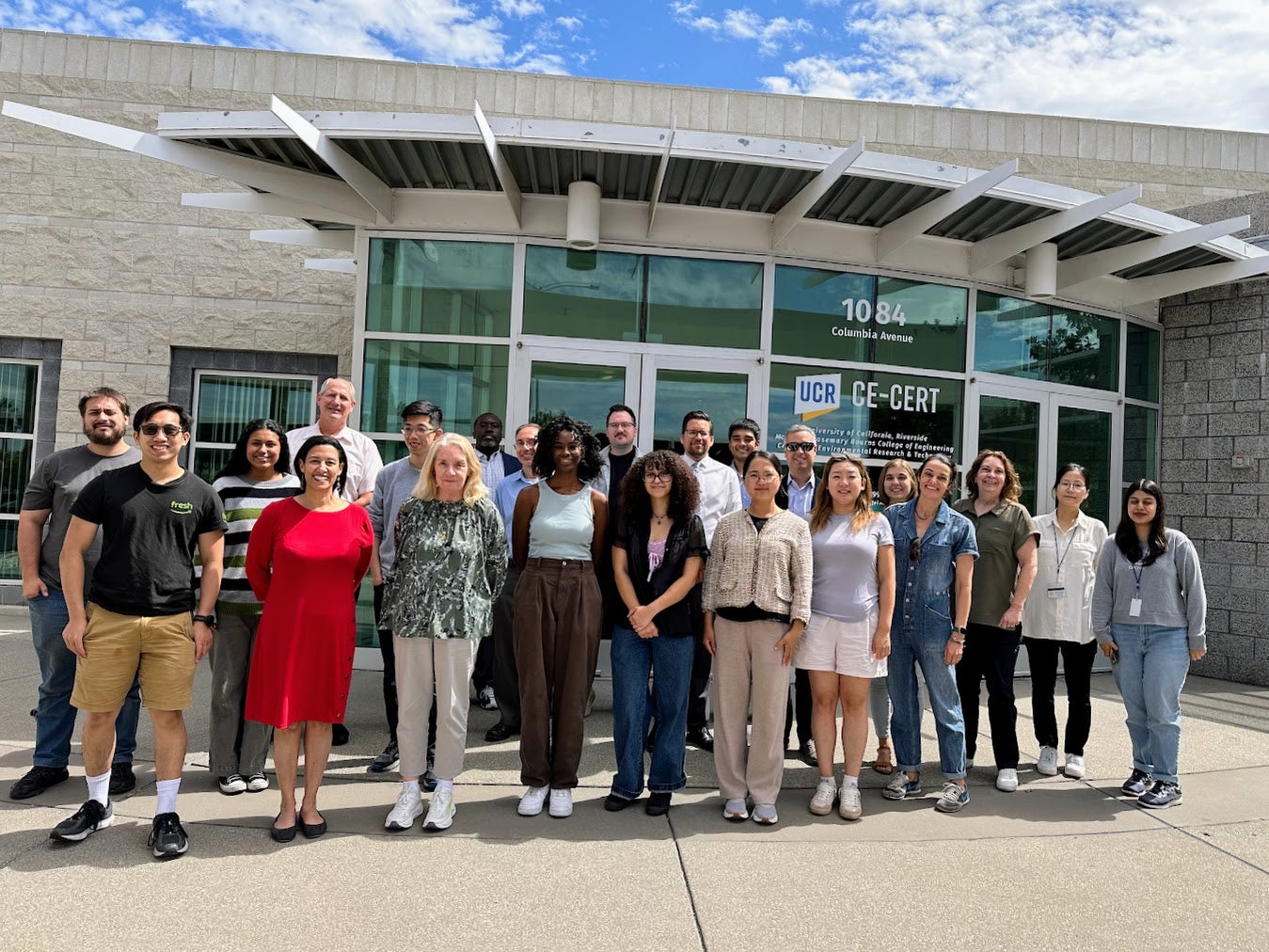
View 2025 Cohort
- Nathaniel BartonPolitical Science
- Elizabeth DeFranceChemical and Environmental Engineering
- Troy HussainElectrical and Computer Engineering
- Etienne Ortega FloresPolitical Science
- Aubrey QianChemical and Environmental Engineering
- Mehak SaleemElectrical and Computer Engineering
- Will SnyderElectrical and Computer Engineering
- Ashley TrevinoChemical and Environmental Engineering
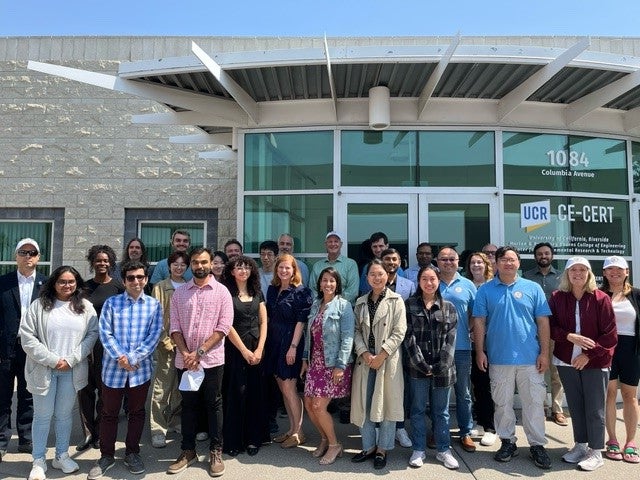
View 2024 Cohort
- Hovanness DingilianChemical and Environmental Engineering
- Azure FisherEnvironmental Sciences
- Kathleen FongChemical and Environmental Engineering
- Troy HurrenChemical and Environmental Engineering
- Aaron LuoElectrical and Computer Engineering
- Pamodya PeirisElectrical and Computer Engineering
- Abhinav VyasElectrical and Computer Engineering
- Justin YueComputer Science and Engineering
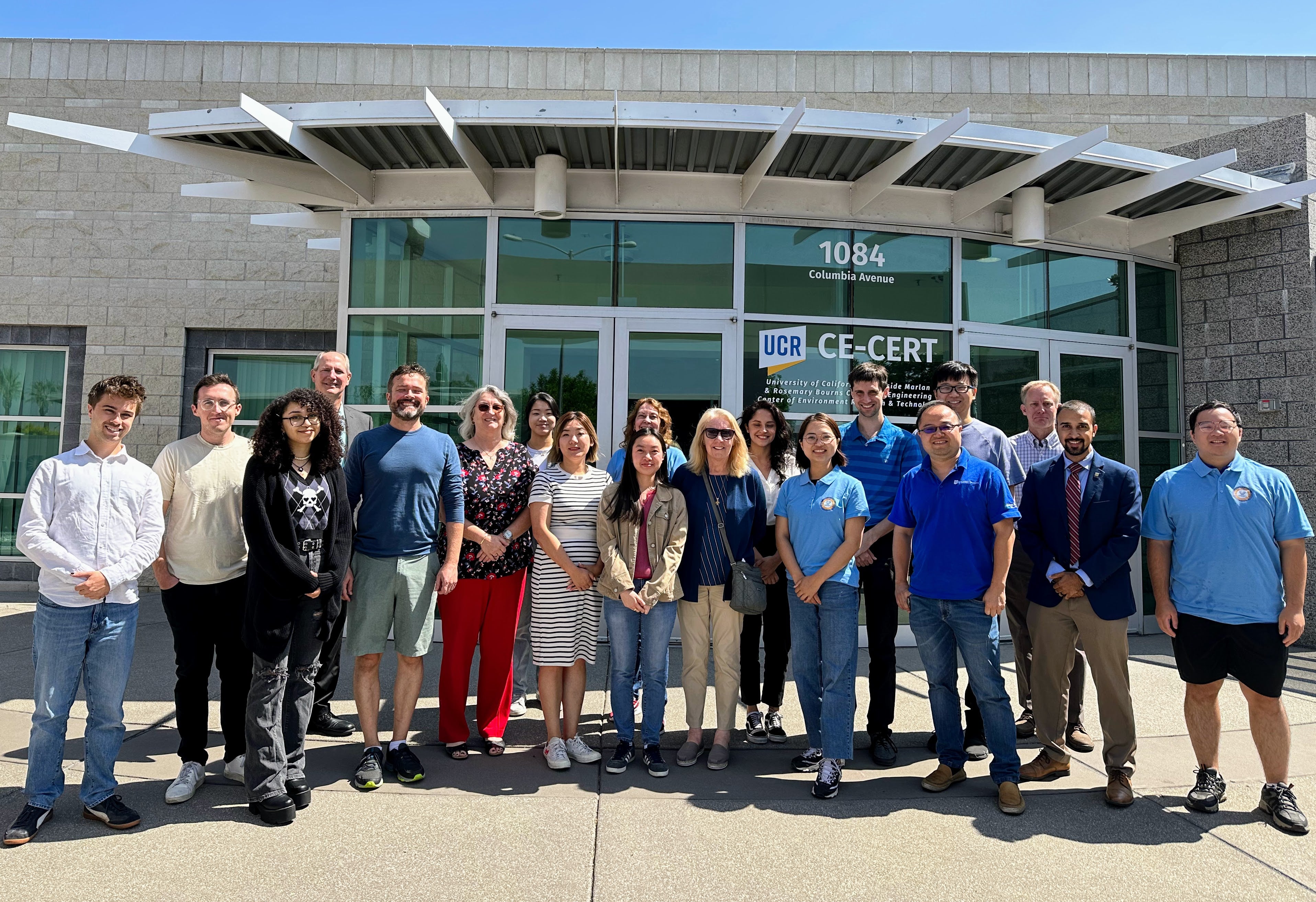
View 2023 Cohort
- Osten AndersonElectrical and Computer Engineering
- Evan BrookPolitical Science
- Heaven DenhamEnvironmental Sciences
- Jacqueline Garrido EscobarElectrical and Computer Engineering
- Yejia LiaoElectrical and Computer Engineering
- Haishan LiuElectrical and Computer Engineering
- Janice NguyenElectrical and Computer Engineering
- Lynne XuEnvironmental Sciences
- Ruili YaoElectrical and Computer Engineering
Resources
Guidance for acknowledging National Science Foundation support and requesting SPEAKS travel funding.
NSF Acknowledgement Guidelines
It is essential that presentations, papers, journal articles, dissertations, posters, and other products that emerge from SPEAKS acknowledge NSF support. This acknowledgement must be included whether or not you are currently supported by SPEAKS funding.
How to acknowledge NSF
- In publications, include either version of the following text in your Acknowledgements section:
Minimalist version — “This material is based upon work supported by the National Science Foundation under Grant DGE-2152258.”
Longer version — “This material is based upon work supported by the SPEAKS program at the University of California, Riverside which is supported by the National Science Foundation under Grant DGE-2152258.”
- In presentations and posters, list the grant number on your Acknowledgments slide or at the bottom of your poster: NSF #2152258. Along with the award number, you are also encouraged to use the NSF logo in presentations and posters to acknowledge their support.
- Occasionally, guidelines for a conference or publication may specify that you list the PI. If so, add “(M. Barth, PI)”.
- If you write about NRT-supported research in a non-scientific publication, such as a blog or newspaper article, acknowledge NSF support (NSF award 2152258) and include the following disclaimer:
“Any opinions, findings, and conclusions or recommendations expressed in this material are those of the author(s) and do not necessarily reflect the views of the National Science Foundation.”
When to Acknowledge NSF Support
Support can be relatively direct or indirect. Either way, you should acknowledge the NSF.
- Direct support
- Includes a trainee during the year they are funded by SPEAKS.
- Relates to a collaboration fostered in any way by SPEAKS.
- Indirect support
- Involves SPEAKS trainee(s) or faculty in any way, and relates to sustainable transportation and/or science to policy.
- Involves trainees at any point after acceptance to SPEAKS program — no matter their funding status — and relates to sustainable transportation/science to policy.
- The work benefited from the community/context SPEAKS provides, such as inspired or facilitated collaboration.
SPEAKS Travel Funding Requests
SPEAKS Travel Support Funding Policy
SPEAKS fellowships and travel funding are subject to the continuation of this award by the National Science Foundation.
The SPEAKS program is pleased to offer travel support for SPEAKS-related activities. Any SPEAKS student is eligible to request travel support funds. SPEAKS travel funds may be used to support travel to conduct SPEAKS-related research, attend SPEAKS-related meetings and conferences, deliver presentations of SPEAKS-related research, and travel for other SPEAKS-related activities. SPEAKS travel funds are limited, therefore students are advised to obtain funding from other sources first, such as GSA, Graduate Division, Department, PI/Advisor, and then apply for SPEAKS travel support.
SPEAKS travel funds may be used for conference registration, transportation, and lodging only. SPEAKS travel funds may not be used for food, beverages, alcohol, or incidentals such as in-room or in-flight entertainment. You may travel with others, however SPEAKS travel funds are to be used solely for and by the SPEAKS student and no other person. UCOP and UCR Travel Policies will apply at all times.
It is recommended that SPEAKS students work with the CE-CERT Travel Coordinator to make travel arrangements. If making your own travel arrangements, payment will be reimbursed after travel has been completed upon submission of appropriate original receipts from the traveler. All receipts must bear the name of the traveler.
Because these are federal funds, all air transportation must use a U.S.-flag air carrier. If traveling internationally, in accordance with the Fly America Act (49 USC 40118), any air transportation to, from, between, or within a country other than the U.S. of persons or property, the expense of which will be assisted by SPEAKS funding, must be performed by or under a code-sharing arrangement with a U.S.-flag air carrier if service provided by such a carrier is available. Tickets (or documentation for electronic tickets) must identify the U.S. flag air carrier’s designator code and flight number.
How to request Travel Funds
Complete the SPEAKS Travel Support Request Form. Email the completed form and all requested information with the subject line “SPEAKS Travel Funding Request” to Melissa Jaunal, SPEAKS Program Coordinator at certtraining@ucr.edu. For full consideration of your request, submit at least one month prior to the start date of your intended travel.
Qualifications for SPEAKS Trainees
SPEAKS is open to incoming and current full-time UCR Ph.D. students.
SPEAKS Fellow
- Funded trainee position
- Must be a full-time, domestic Ph.D. student (per NSF regulations)
A domestic student is defined as a U.S. citizen, U.S. national, or U.S. permanent resident.
SPEAKS Scholar
- Full-time domestic or international Ph.D. student
- Applicant is funded through sources outside of SPEAKS
Note: SPEAKS fellowships and travel funding depend on the continuation of NSF support.
How to Apply to the SPEAKS Graduate Student Research Traineeship Program
SPEAKS is a research traineeship designed to enhance your graduate education. It is not a degree-granting program.
- Be accepted into a UCR doctoral program, or
- Be a current UCR doctoral student in good standing
For Prospective or Incoming UCR Ph.D. Students
- Apply to your desired UCR Ph.D. program by the deadline set by that department.
- You do not need to wait for admission to apply to SPEAKS.
- Click the “APPLY NOW” button to submit your SPEAKS application.
For Current UCR Ph.D. Students
- Click the “APPLY NOW” button to submit your SPEAKS application.
Note: Space and funding are limited. Submitting an application does not guarantee selection.
Have questions? Contact the SPEAKS Program Coordinator, Melissa Jaunal, at certtraining@ucr.edu.
Apply NowSPEAKS Faculty
SPEAKS brings together faculty expertise from across disciplines to support graduate education, research, and science-to-policy training in sustainable transportation.
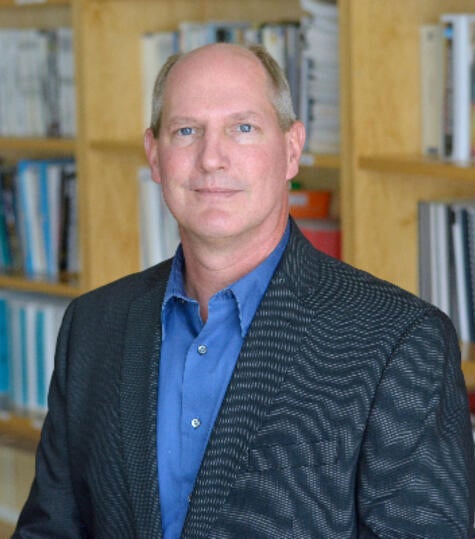
Matthew Barth
Kevin Esterling
Susan Hackwood
Hamed Mohsenian-Rad
Will Porter
Arun Raju
Annika Speer
Jan Stets
Guoyuan Wu
SPEAKS External Advisory Committee
The External Advisory Committee connects SPEAKS with perspectives from government, industry, air quality, transportation, and public policy.
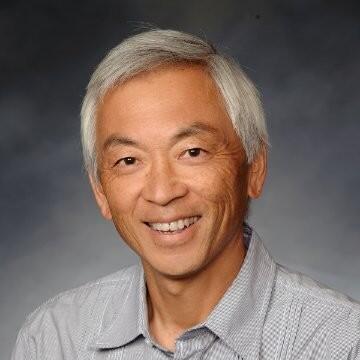
Randy Chinn
Chief Consultant (ret.)
Senate Transportation Committee
California State Senate

Aravind Kailas
Advanced Technology Policy Director
Volvo Group North America
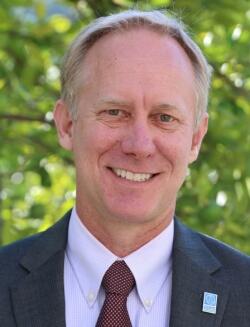
Aaron Katzenstein
Deputy Executive Officer
Technology Advancement Office
South Coast AQMD
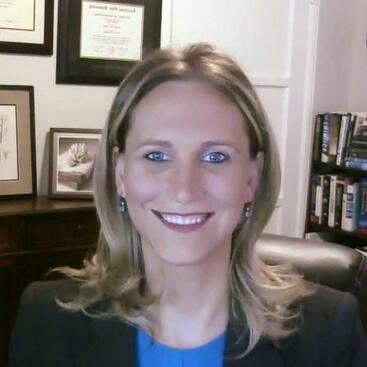
Jennifer Lentz
Deputy Director of Programs
Coalition for Clean Air (CCA)
Michael Lim
Chief Executive Officer
Xtelligent, Inc.
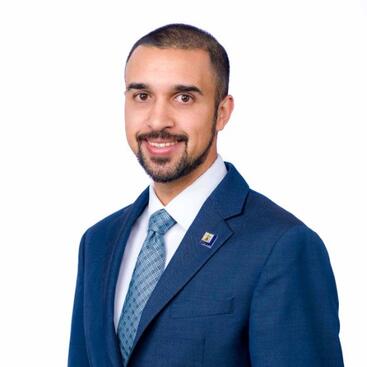
Nathan Mustafa
Deputy Director, Public Works
City of Riverside, California
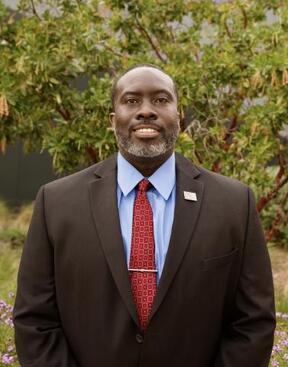
Femi Olaluwoye
Deputy Executive Officer,
Southern California Headquarters & Mobile Source Compliance
California Air Resources Board
Activities & Events
Follow what SPEAKS trainees, faculty, and partners have been up to — from program milestones and professional development to science-policy engagement and community-building.
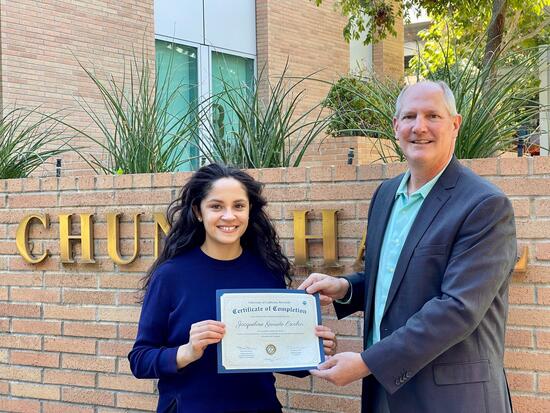
Dr. Jacqueline Garrido Escobar Becomes First Student to Complete SPEAKS
Congratulations to Dr. Jacqueline Garrido Escobar, the first student to complete the SPEAKS program. After a successful dissertation defense, Dr. Garrido was presented with the SPEAKS Certificate of Completion by SPEAKS PI Dr. Matt Barth.
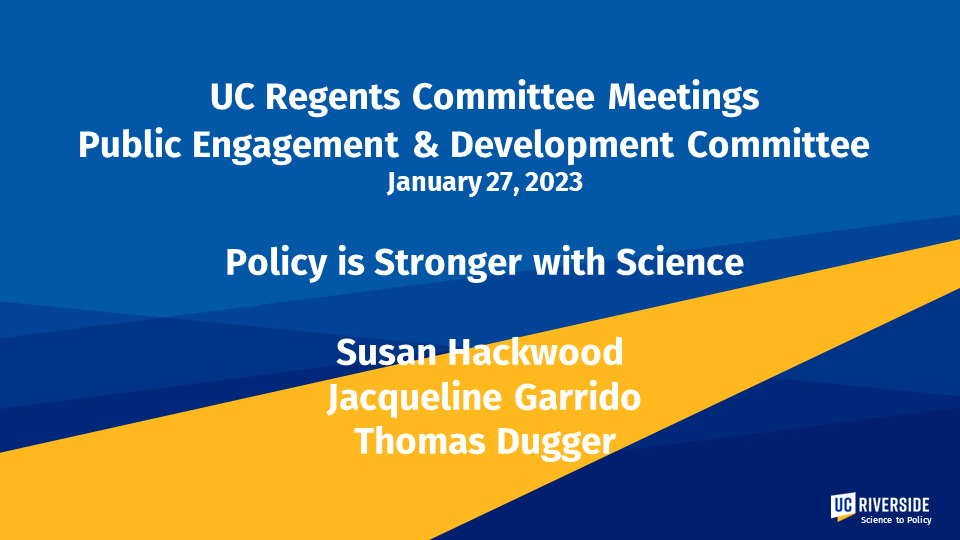
SPEAKS Highlighted at UC Regents Committee Meeting
The UCR SPEAKS and Science-to-Policy programs were highlighted at the UC Regents Public Engagement and Development Committee meeting held at UCR on Jan. 27, 2023.
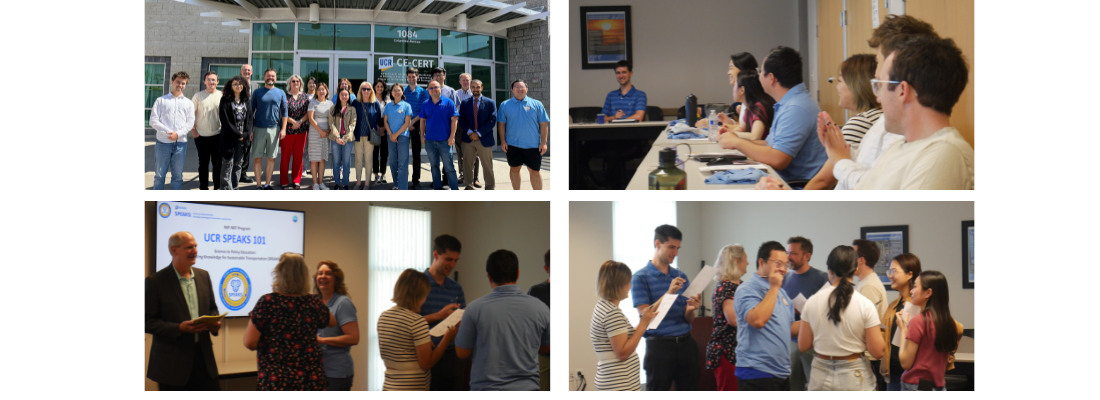
SPEAKS Kick-Off Orientation
SPEAKS Kick-Off Orientation is held annually in September to welcome the incoming SPEAKS student cohort. Students, faculty, staff, and Advisory Committee members come together for networking, campus and external resources, teambuilding, and discussion about the future of sustainable transportation.
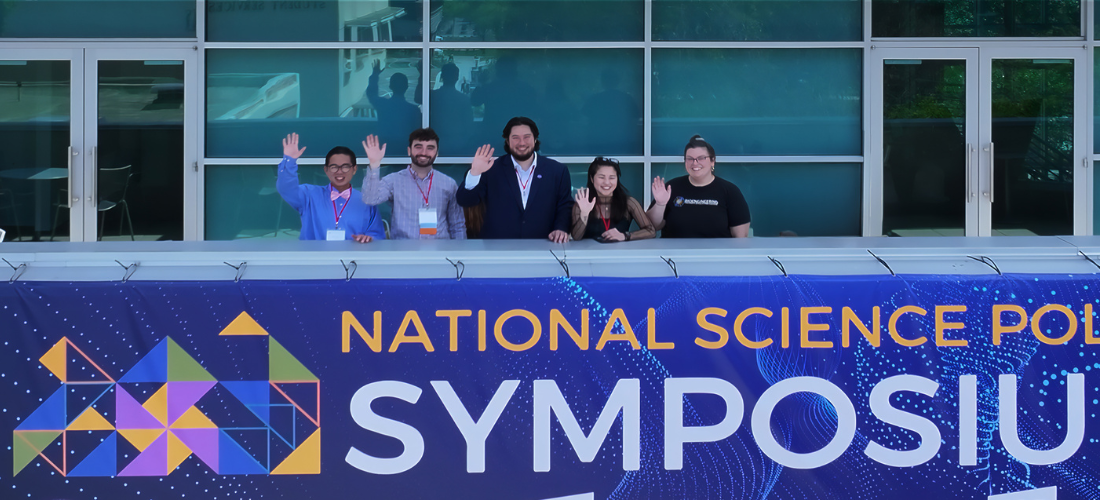
National Science Policy Symposium
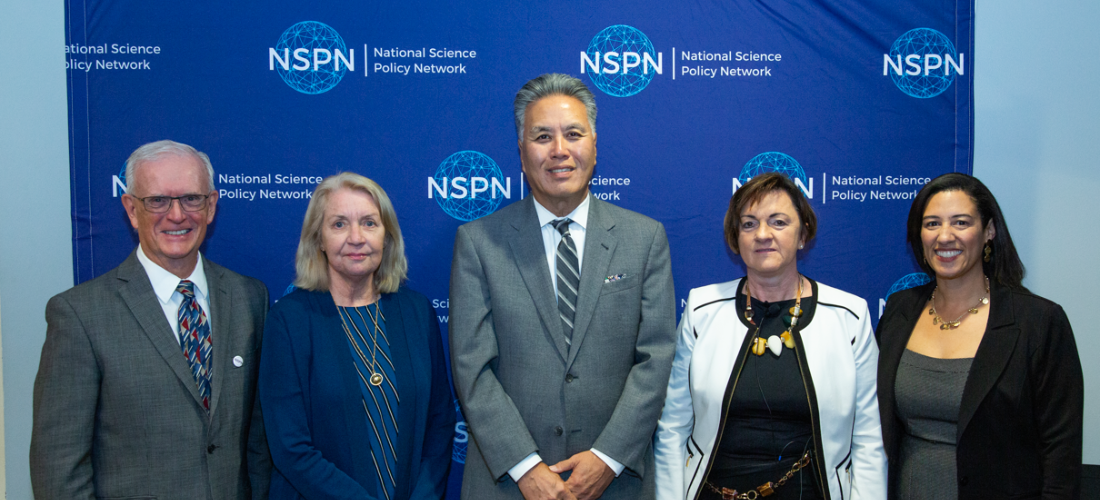
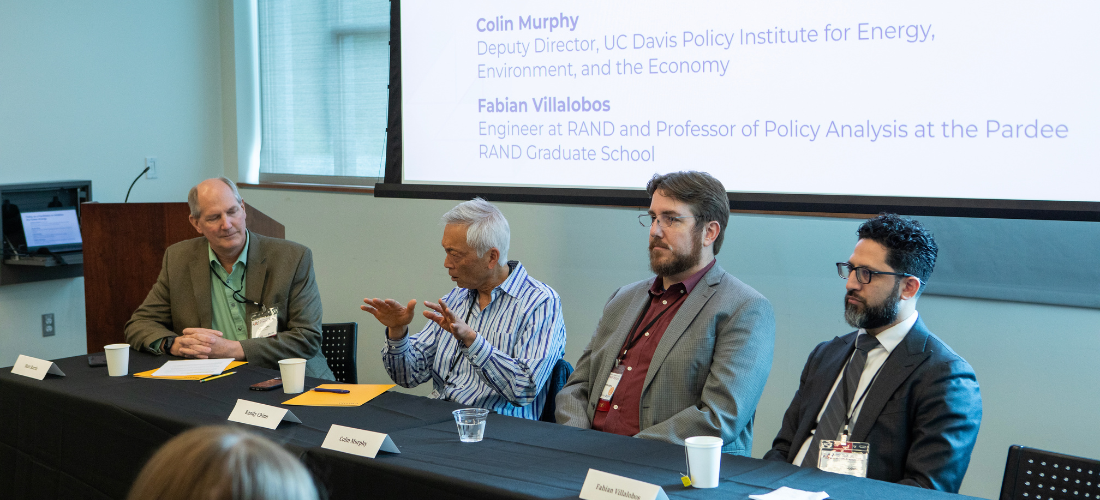
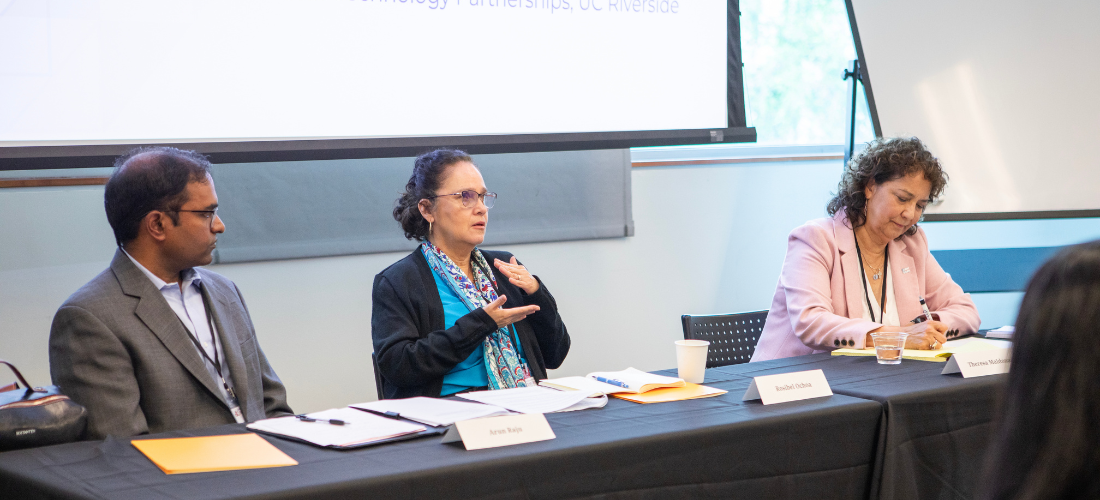
SPEAKS students and faculty joined more than 300 scientists, engineers, educators, government leaders, researchers, and policymakers at UC Riverside for the National Science Policy Network’s annual symposium.
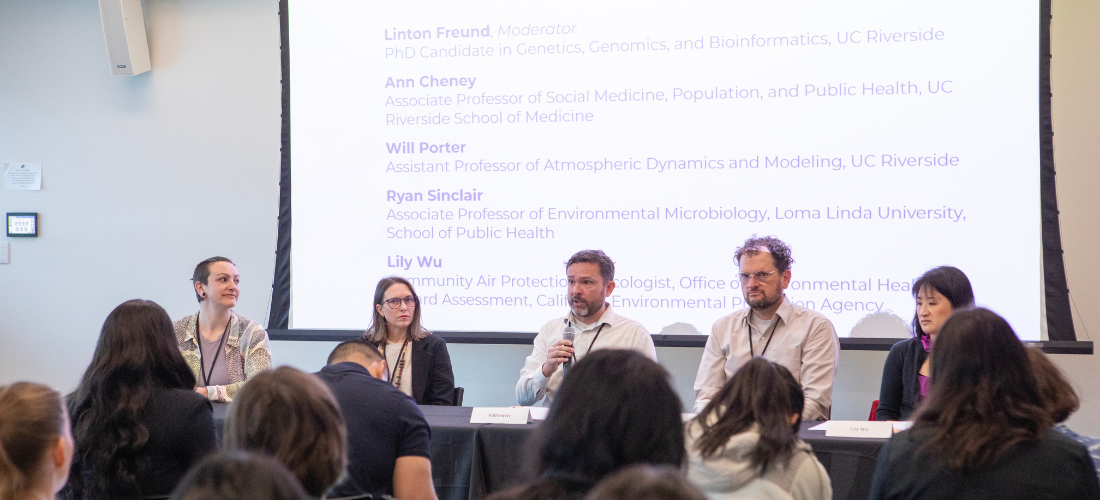
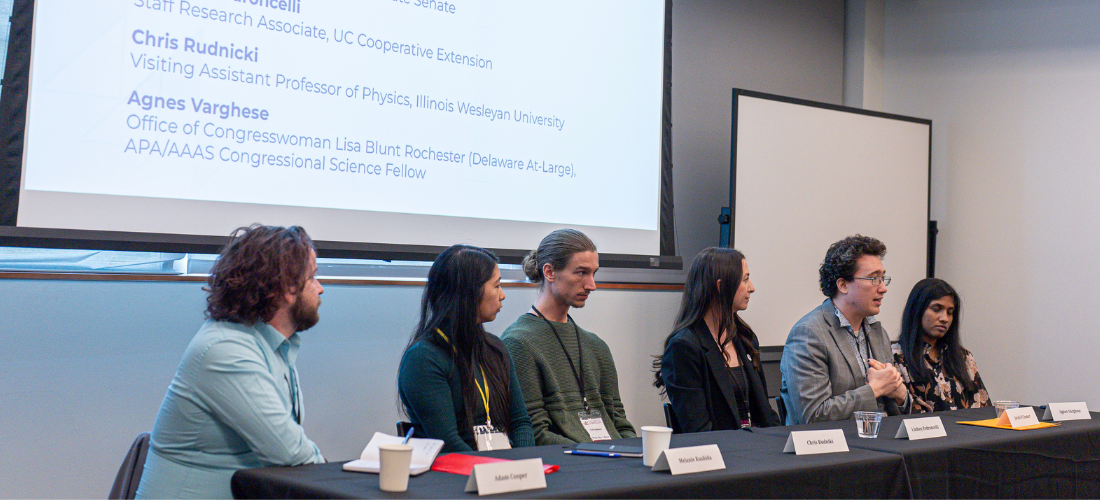
SPEAKS at the National Science Policy Symposium
Highlights from the 2024 National Science Policy Symposium at UC Riverside.
SPEAKS FAQ
Find answers to common questions about the SPEAKS program, participation, requirements, eligibility, and application process.
What is SPEAKS?
SPEAKS is a graduate student research traineeship at UCR, funded by a major grant from the National Science Foundation, aimed at making transportation more sustainable through the integration of engineering, social sciences, environmental sciences and public policy.
How can SPEAKS help me in my graduate program?
SPEAKS trainees conduct cutting-edge research on technologies for societal benefit while learning strategies to effectively translate science into public policy. SPEAKS trains students in user- and stakeholder-based research, communication, and career readiness. The SPEAKS program offers a number of benefits, including one-year graduate fellowships, a certificate in Science-to-Policy, and travel funding.
What will be required of a SPEAKS Trainee?
The SPEAKS program offers a unique opportunity for Ph.D. students to focus their studies on the important issue of how to make transportation more sustainable. A successful SPEAKS Trainee will complete a number of related activities during their Ph.D. careers, such as breadth coursework, professional development events, and training workshops. See full details under the SPEAKS Program Requirements heading on the PROGRAM BENEFITS & REQUIREMENTS tab.
How can I become part of SPEAKS?
Review the information on the SPEAKS website. Then go to the TRAINEE QUALIFICATIONS & HOW TO APPLY tab. Funding and space are limited, not all applicants will be selected.
I am an International student. Can I be part of SPEAKS?
Yes, International students can participate as SPEAKS Scholars. National Science Foundation regulations require that SPEAKS fellowships be limited to U.S. citizens, U.S. nationals and U.S. permanent residents.
I am in a Master’s program. Can I be part of SPEAKS?
SPEAKS Traineeships are reserved for Ph.D. students. However, some elements of the SPEAKS program will be open to non-trainees. Please contact the SPEAKS Program Coordinator to place your name on the email notification list.