Exhaust leak testing coordinated around your fleet operations
UC Riverside’s Center for Environmental Research & Technology, or CE-CERT, is inviting fleet operators to participate in a no-cost diagnostic assessment for heavy-duty exhaust leaks.
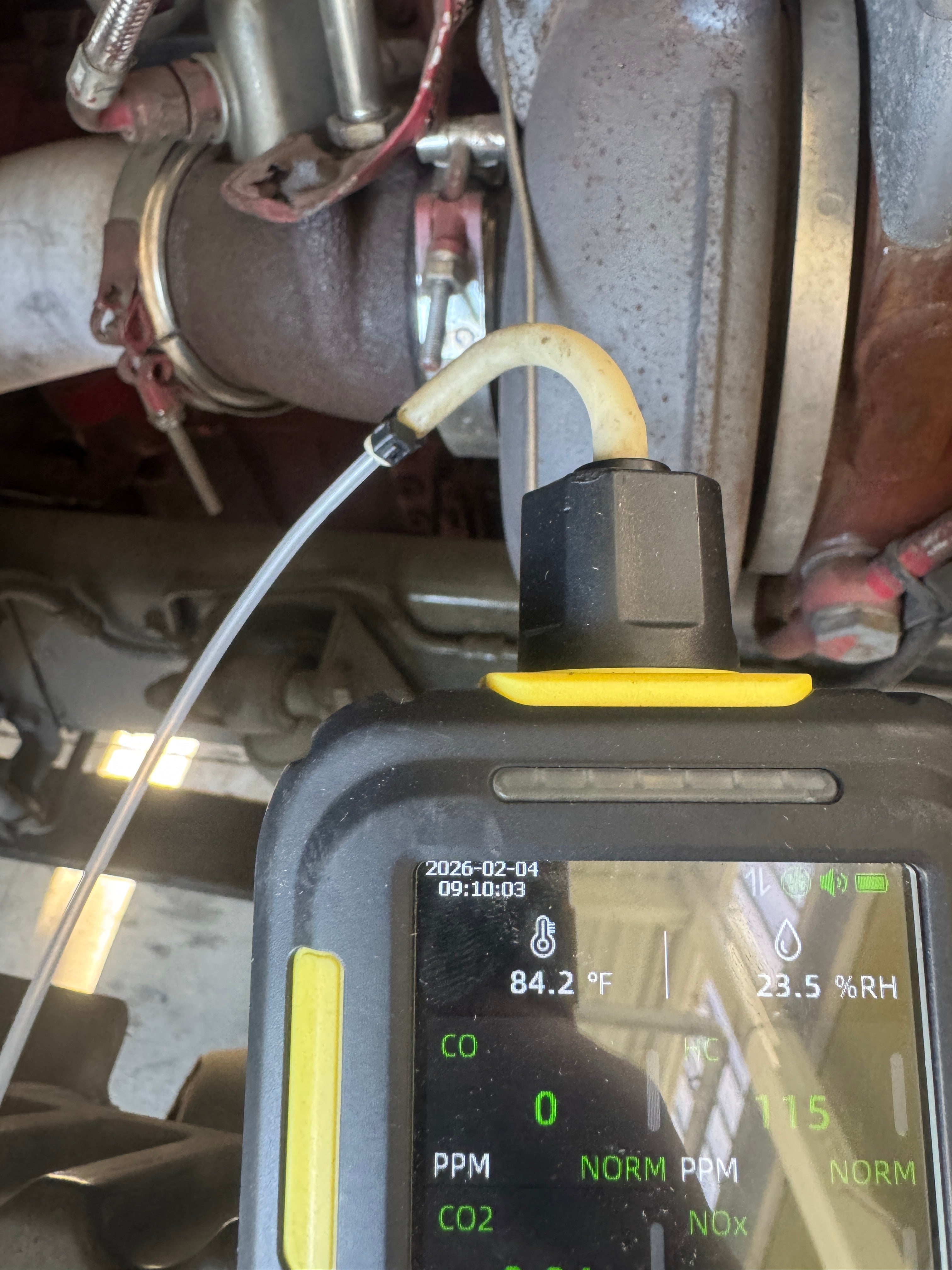
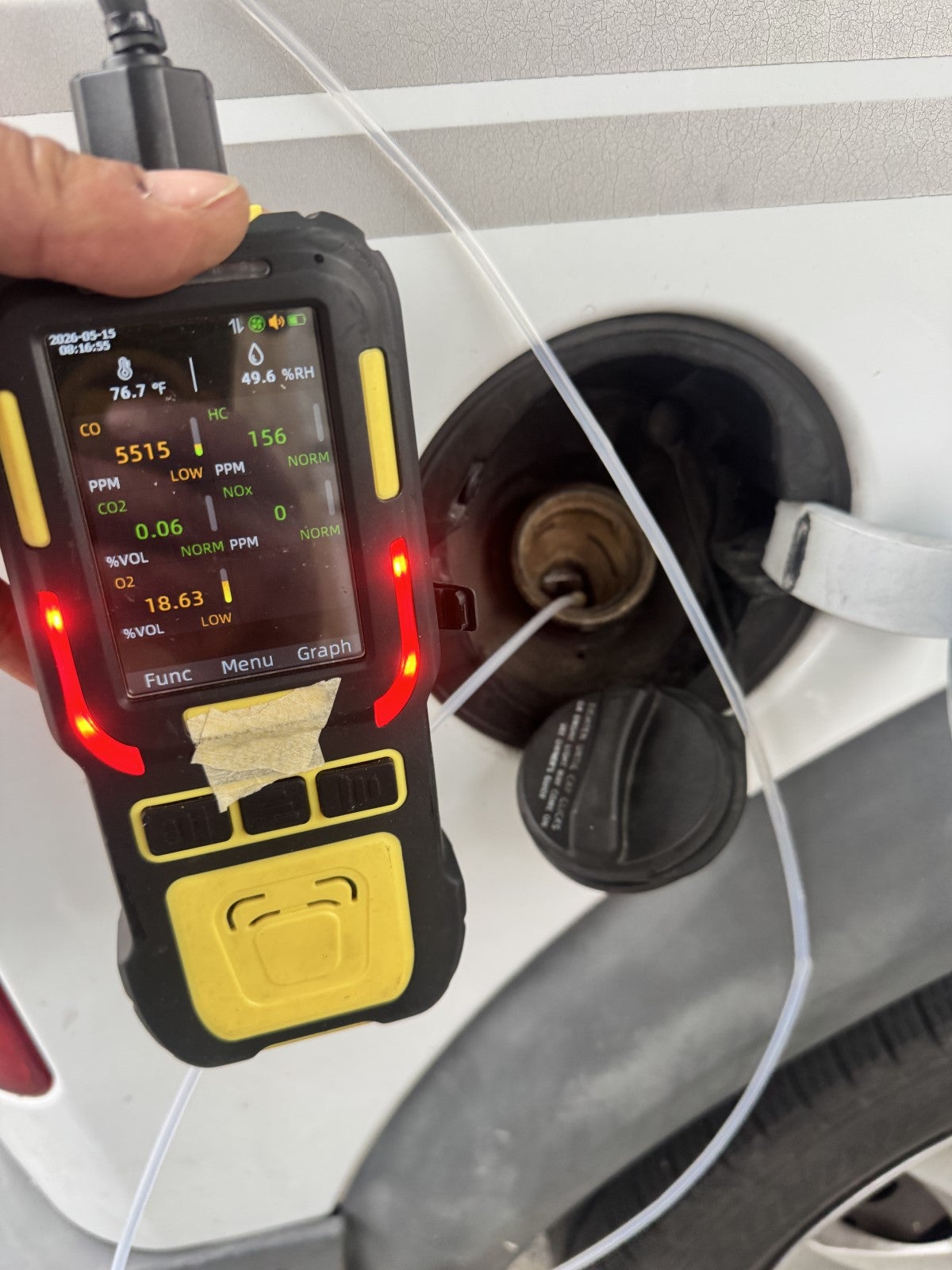
Researchers use a handheld 5-gas analyzer to check strategic exhaust connection points, document potential leaks and provide findings your maintenance team can use for planning and follow-up.
Research data only. Not an enforcement inspection.
This is academic research designed to benefit participating fleets and the broader transportation industry.
- Vehicle-specific results remain confidential.
- Fleet-identifying information is not shared externally.
- Public research findings are reported only in anonymized form.
- Your team receives practical findings for maintenance planning and follow-up review.
Practical information for fleet maintenance decisions
These findings are intended to help teams understand where leaks may affect vehicle condition, aftertreatment performance and maintenance planning.
Fleet Health
Identify hidden issues that may affect performance, downtime and residual value.
Fuel Impact
Leaks can affect oxygen sensor readings and lead to inefficient fuel-air correction.
Aftertreatment
Find leaks that may increase diesel particulate filter loading and regeneration.
Maintenance Records
Receive documentation, photos and findings to support proactive maintenance.
Industry Insight
Support applied research that can inform future specifications and best practices.

Find small leaks before they become larger operational problems
Small exhaust leaks can be difficult to spot during routine service, but they can affect fuel use, aftertreatment performance, maintenance planning and vehicle condition documentation.
The CE-CERT assessment helps fleets locate potential issues early while contributing to research on exhaust leak prevalence and emission-system health in real-world heavy-duty operations.
Fleet-identifying information and vehicle-specific results remain confidential. CE-CERT may use anonymized findings for research summaries and publications.
From field measurements to maintenance insight
CE-CERT turns short field assessments into practical documentation your maintenance team can review, compare and use for follow-up planning.
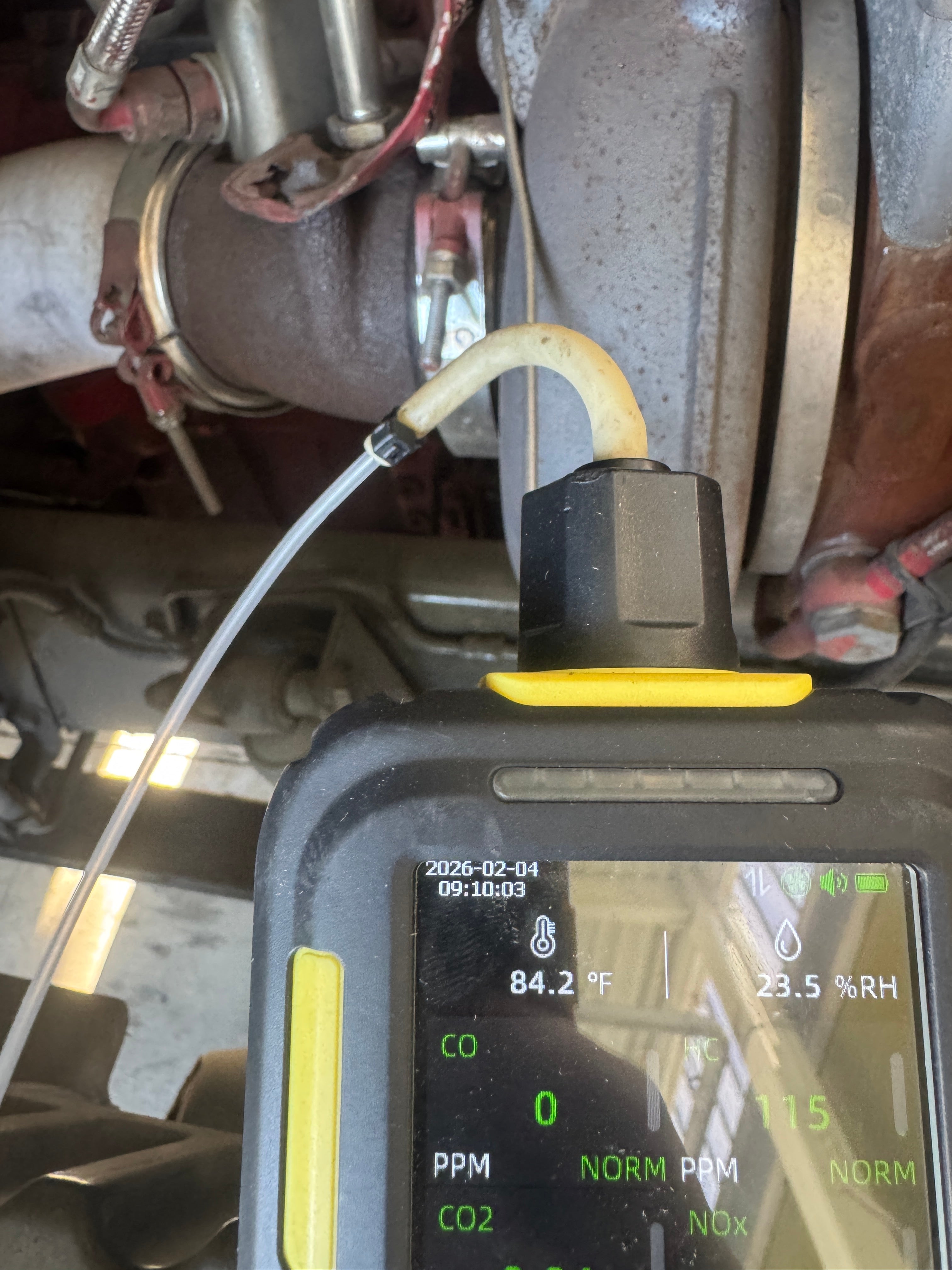
Measure exhaust gases
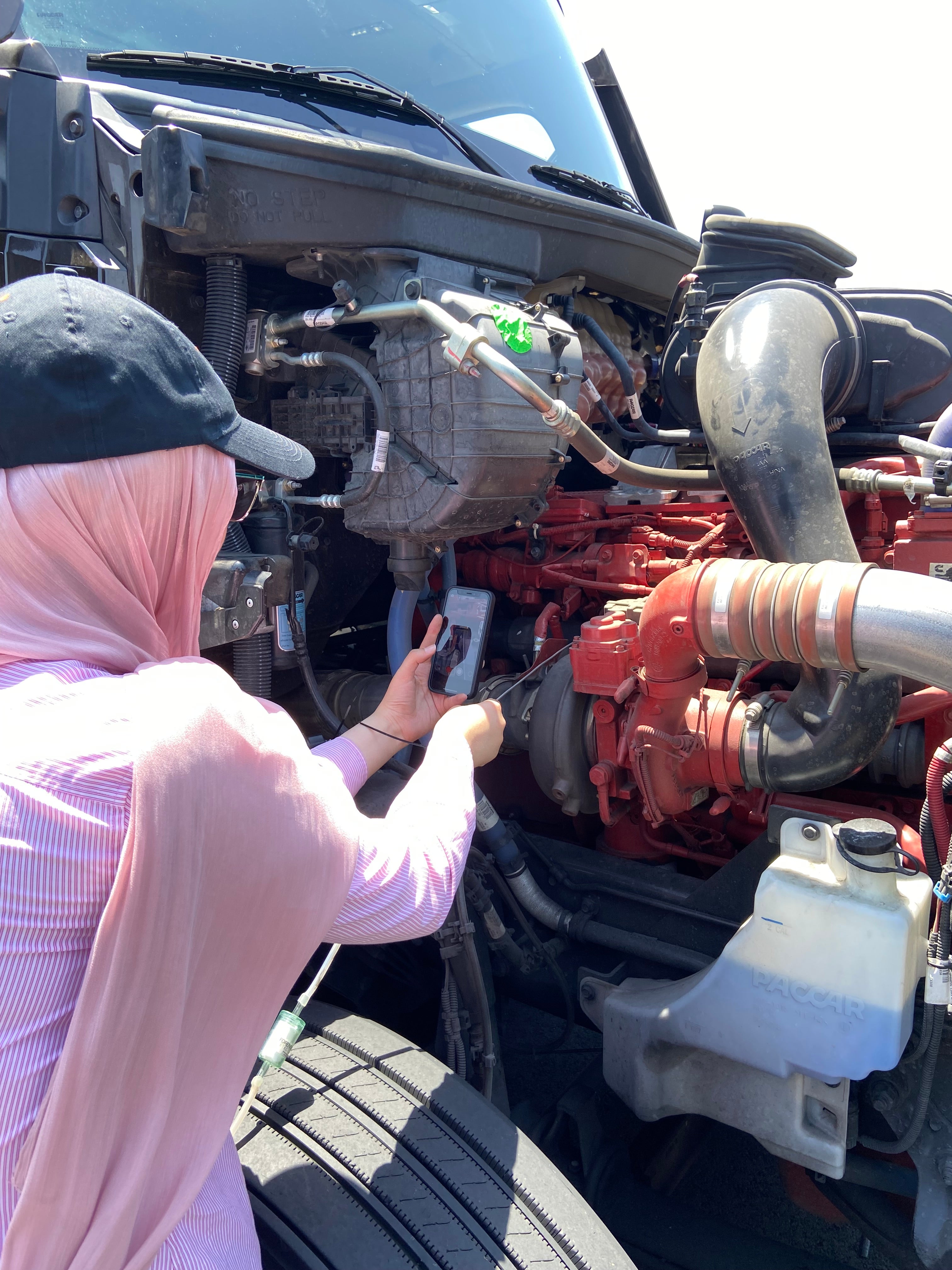
A handheld 5-gas analyzer samples near key exhaust unions to help identify potential leak indicators without disassembly.
Document each location
Researchers record readings, photos and notes so your team can connect findings to specific components and maintenance areas.
Support maintenance review
Findings are summarized for fleet teams and can help prioritize follow-up inspection, repair planning and internal reporting.
Keep Tier 4 and Tier 4 Final equipment sealed and performing as designed
Agricultural and off-road diesel equipment often relies on advanced aftertreatment systems. Exhaust leaks can undermine the value of newer emissions technology by allowing gases to escape before the system can do its job.
Modern emissions systems are sensitive
Tier 4 and Tier 4 Final engines often use components such as diesel particulate filters and selective catalytic reduction systems to reduce particulate matter and nitrogen oxides.
Leak-free connections matter
Keeping exhaust connections sealed helps aftertreatment components receive the exhaust stream they were designed to process.
Good data supports good maintenance
Documented leak checks can help equipment owners prioritize repairs and preserve the value of newer compliant equipment.
Select equipment
CE-CERT coordinates with your team to identify trucks, agricultural equipment or off-road diesel equipment for sampling.
Sample key joints
A handheld 5-gas analyzer is positioned near potential leak sources for a set sampling period at each location.
Log readings
Gas concentration readings, photos and diagnostic notes are collected for each selected vehicle or piece of equipment.
Plan follow-up
Your team receives preliminary findings, severity ratings and recommended next steps for maintenance review.
From the engine head to aftertreatment
The assessment focuses on high-failure exhaust connection points where heat-cycle fatigue, clamp loosening, gasket compression and flange degradation often occur.
What the 5-gas analyzer checks
The technician positions a handheld 5-gas analyzer probe near key exhaust unions and records readings at each location. This external process helps identify potential leaks without vehicle modification.
Definitions: DPF means diesel particulate filter. SCR means selective catalytic reduction. EGR means exhaust gas recirculation.
Engine Head / Manifold
Checks for leaks tied to gasket compression and repeated heat cycles.
Exhaust Gas Recirculation
Checks for clamp loosening or valve seat erosion in the EGR system.
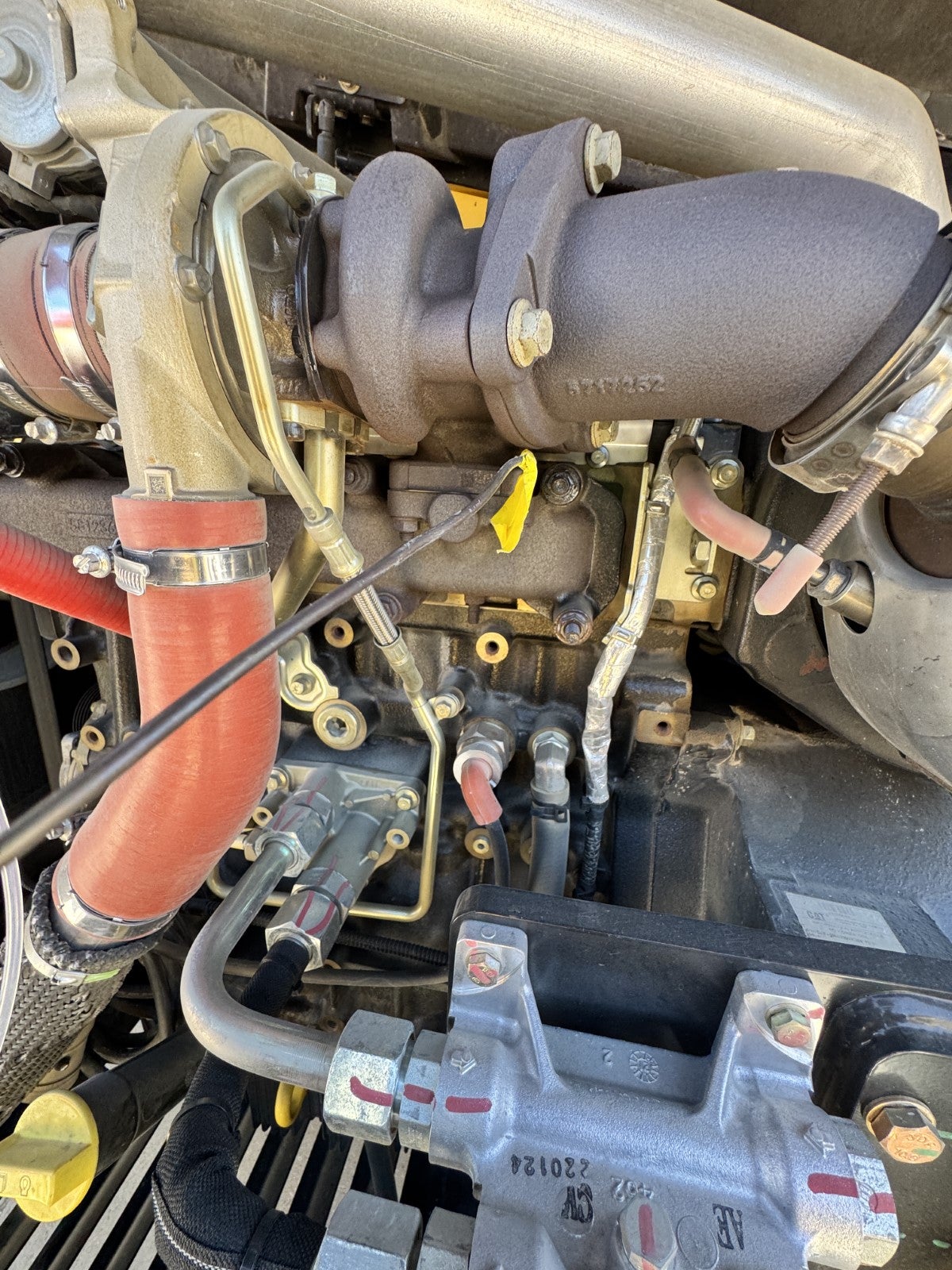
Turbocharger Outlet
Checks for V-band clamp fatigue from heat stress near the turbocharger outlet.
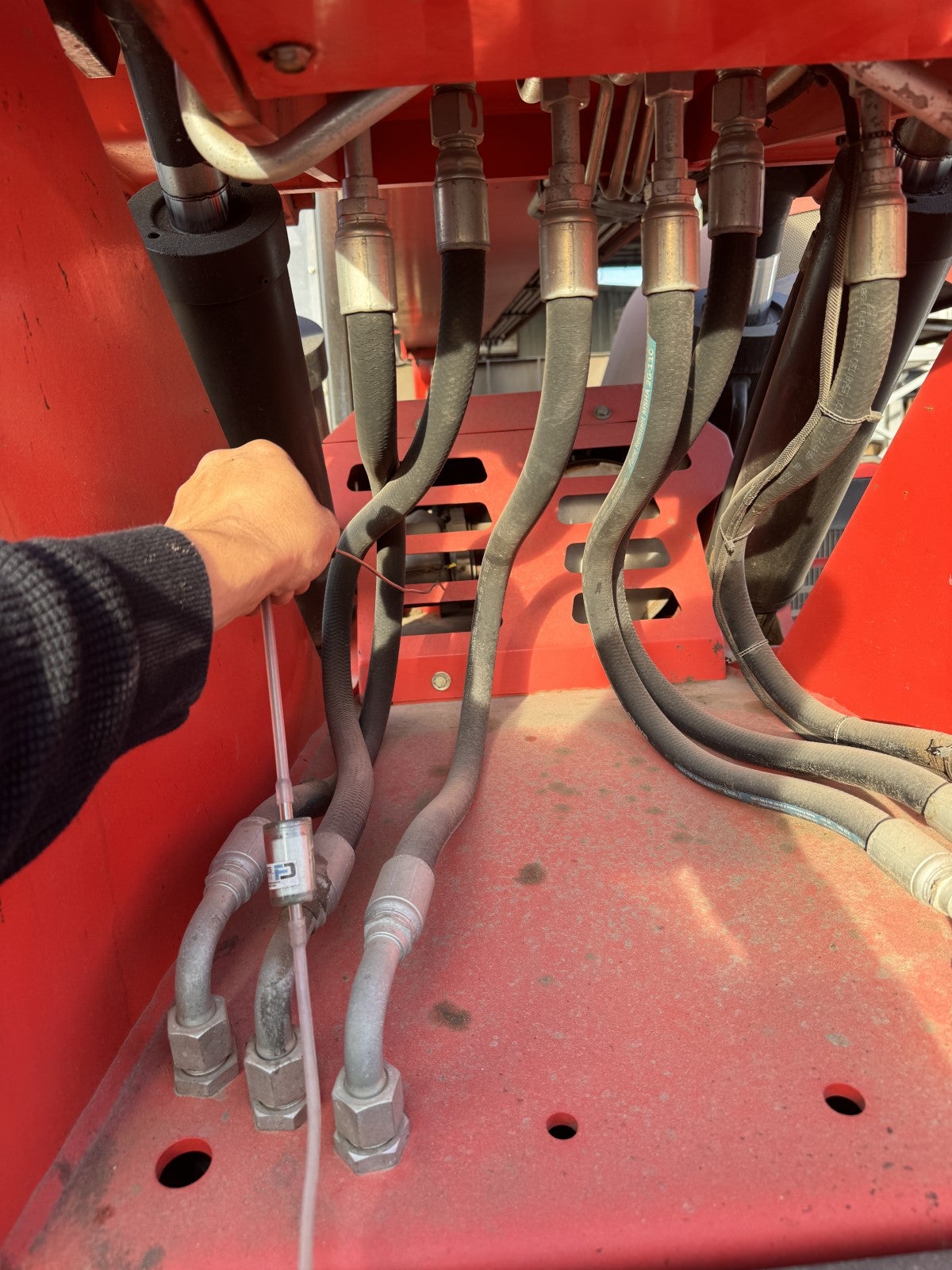
Pre-DPF
Checks for leaks before the diesel particulate filter, where clamps can loosen during regeneration cycles.
Pre-SCR
Checks for leaks before selective catalytic reduction, including diesel exhaust fluid injector flange degradation.
Documentation your maintenance team can use
CE-CERT provides practical findings that support follow-up inspection, maintenance planning and internal reporting.
Per-vehicle findings
Concentration readings and severity ratings for each tested location.
Summary photos
Photos of suspected leak areas to help maintenance teams identify follow-up locations.
Repair guidance
Actionable recommendations for common issues involving clamps, gaskets, flanges and related components.
Data files
Raw data can be shared in CSV format for fleet management systems and internal analysis.
Equipment used: Handheld 5-gas analyzer for gas detection and analysis.
Model: FD-600-EXHAUST-CO
Measurements are documented at five critical system locations: exhaust manifold, exhaust gas recirculation system, pre-turbocharger section, post-turbocharger section and aftertreatment system.
| Vehicle | Sample locations | Potential leak detected |
|---|---|---|
| Unit 001 |
|
No |
| Unit 002 |
|
No |
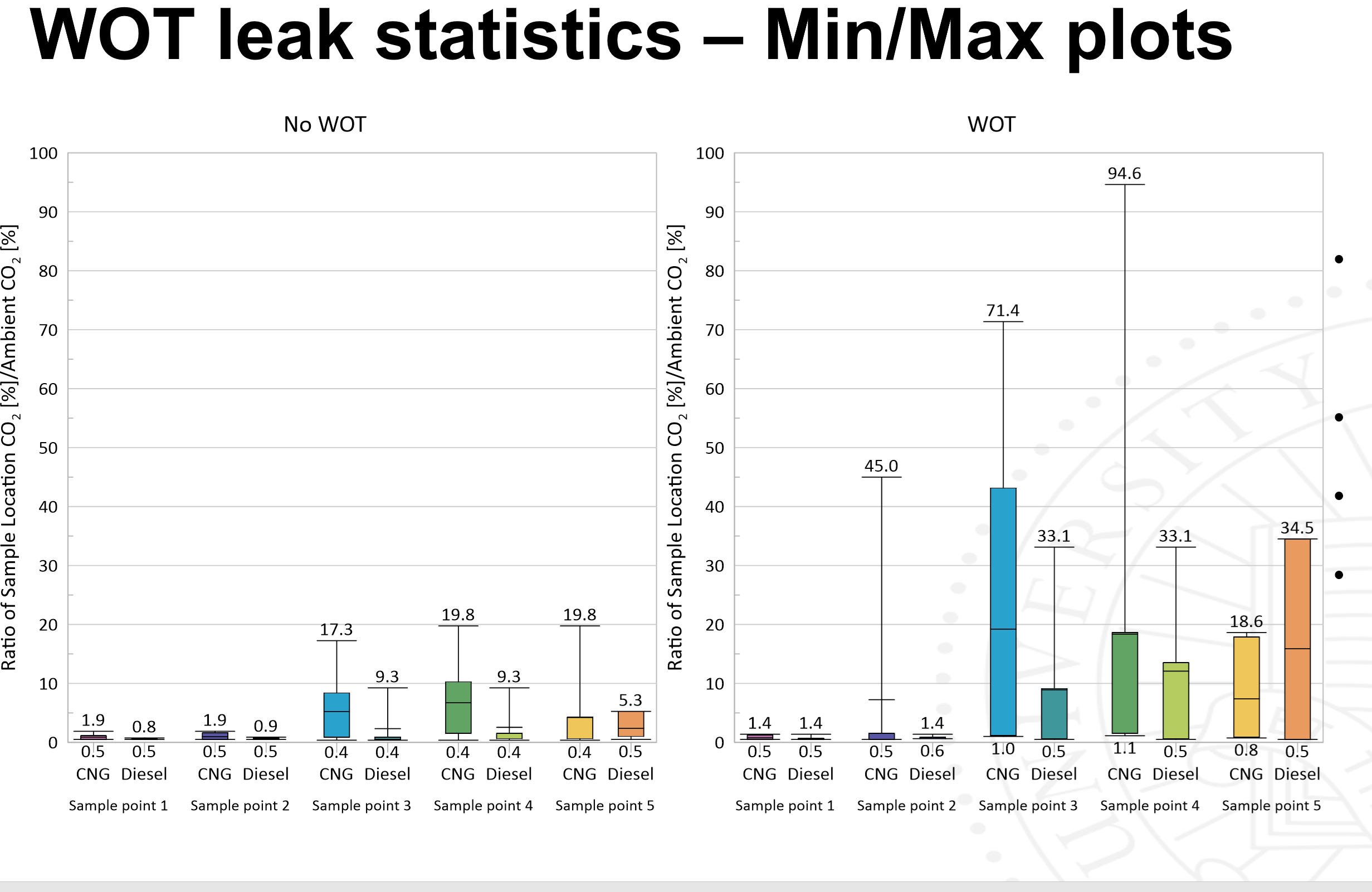
Data visualization helps tell the story
Plots and summary visuals can help fleet teams see patterns across equipment, sampling locations and readings while keeping vehicle-specific results confidential.
Coordinate CE-CERT diagnostics for your fleet
Contact Marcos Alvarez to discuss vehicle selection, site logistics and scheduling. Testing is scheduled around your operation and can be coordinated to fit standard maintenance bay workflows.