Atmospheric Processes and Air Quality
The Atmospheric Processes Laboratory (APL) research group aims to advance understanding of the sources and impacts of air pollution and greenhouse gases.
The group studies air pollution and atmospheric chemistry using measurement, modeling, and data fusion approaches. Advanced approaches are used to understand secondary pollutant formation in the atmosphere and answer questions related to exposure and source characterization. Environmental chambers are employed to simulate atmospheric conditions and study the evolution of pollution from a wide range of sources.
Meet the Research Teams
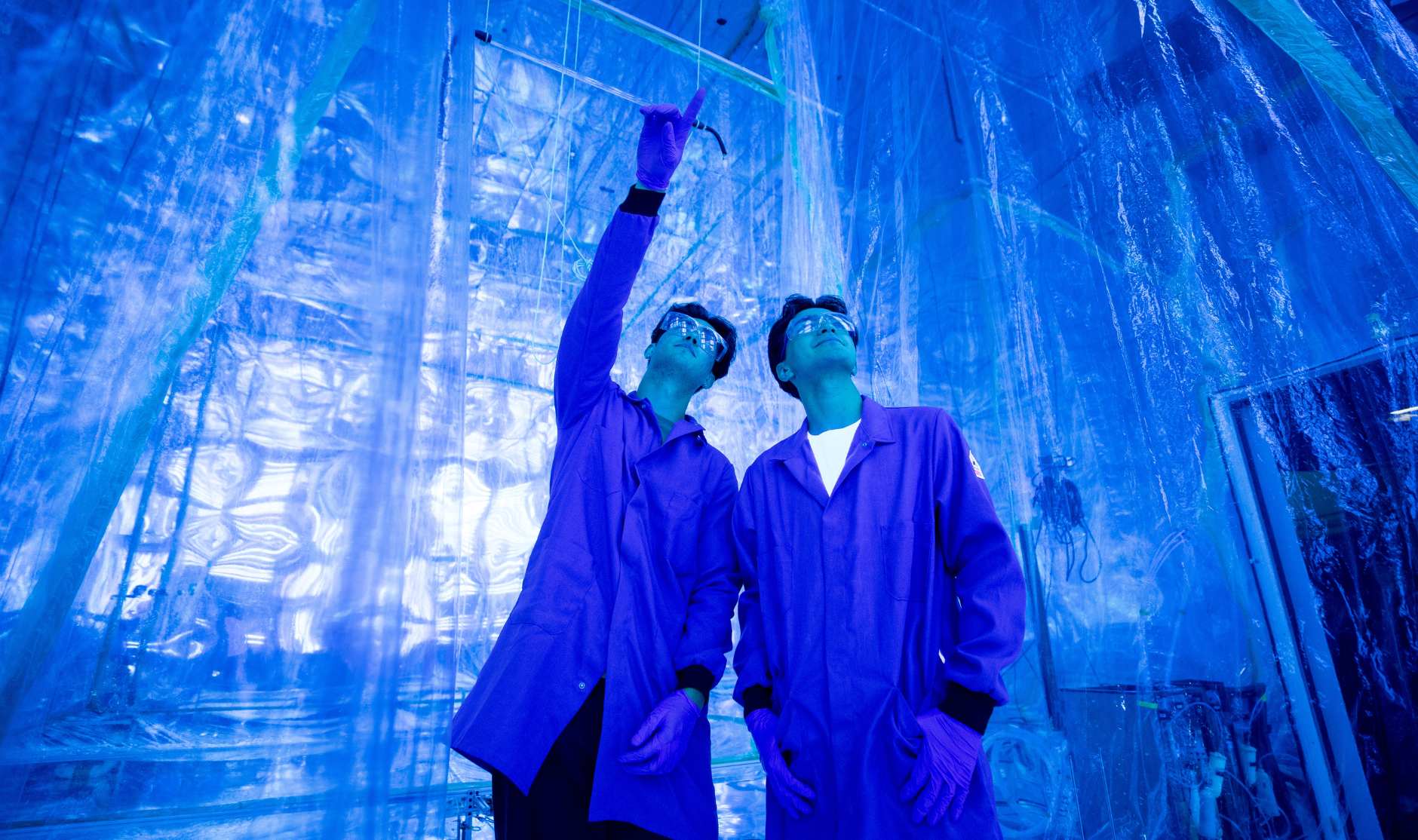
Atmospheric Processes Laboratory
The Cocker Group studies atmospheric aerosols, secondary organic aerosol formation, gas-particle partitioning, and combustion-derived particulate emissions using chamber experiments, emissions testing, and field measurements.
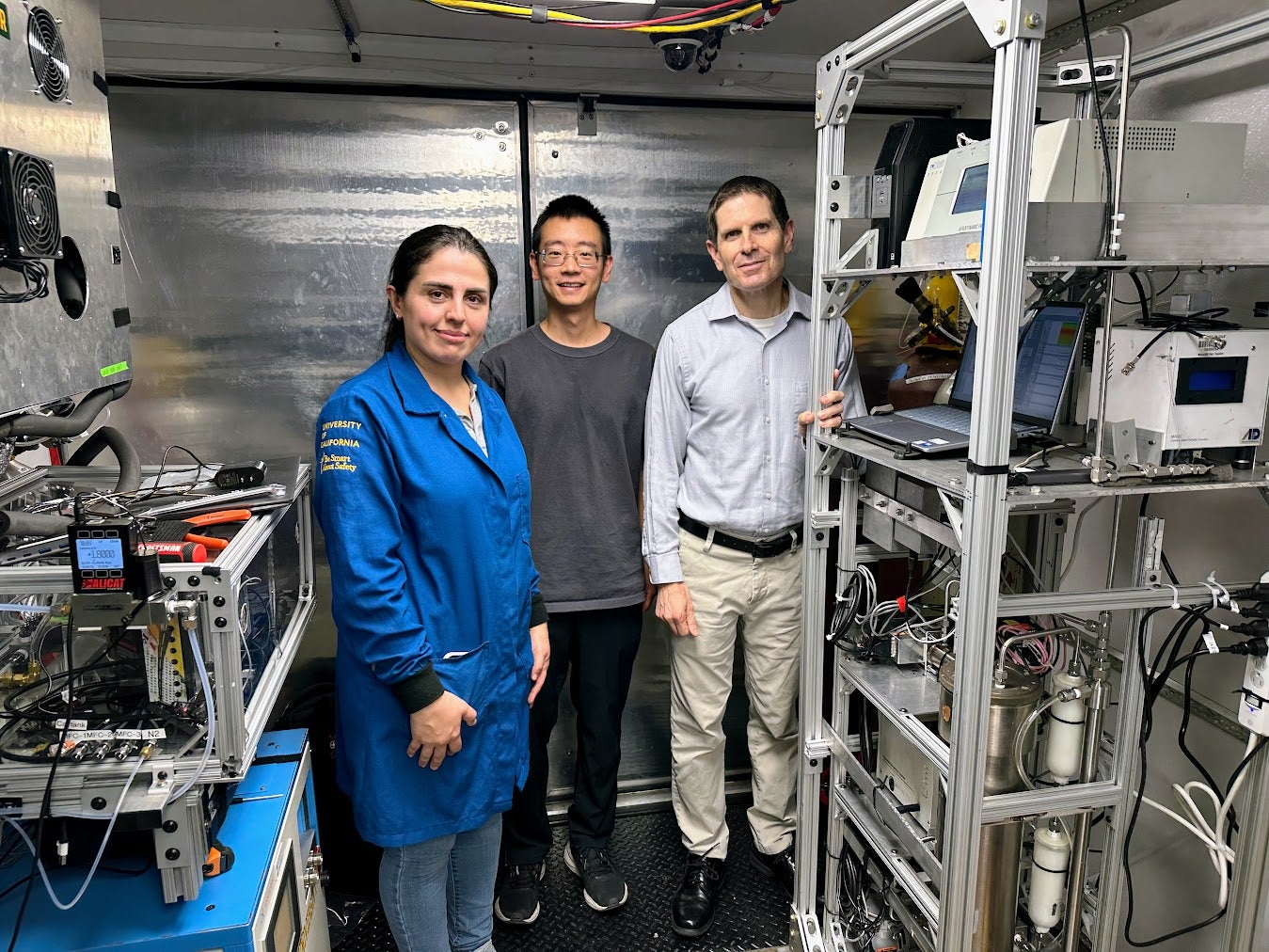
Air Quality and Climate Field and Laboratory Studies
The Collins Group investigates aerosol properties, particle growth, aerosol-phase water, atmospheric oxidation, and aerosol-cloud interactions through laboratory experiments, field measurements, and photochemical modeling.
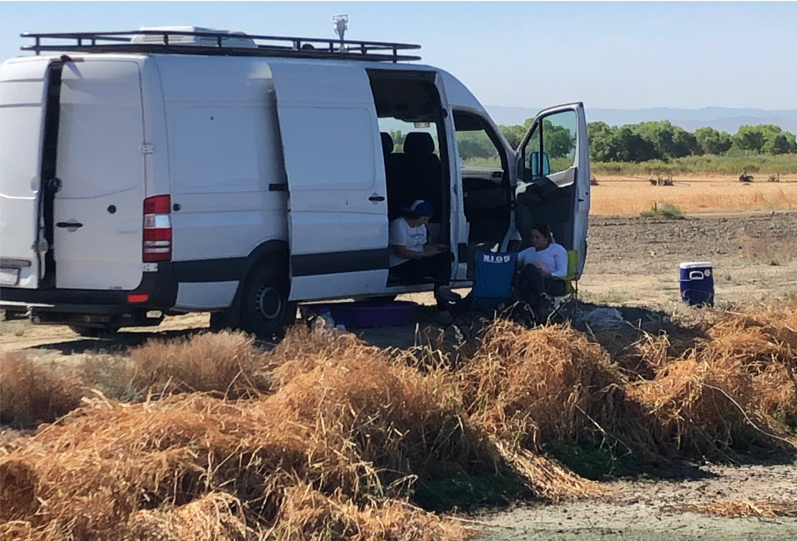
Greenhouse Gas Emissions Lab
The Greenhouse Gas Emissions Lab studies emissions that affect climate and air quality to advance the science of reducing them. The group focuses primarily on methane emissions from human activities while also investigating carbon dioxide, nitrous oxide, carbon monoxide, and ammonia. Its research combines mobile laboratory field studies, environmental isotope measurements, spatial mapping, and atmospheric and soil science methods to better understand emission sources.
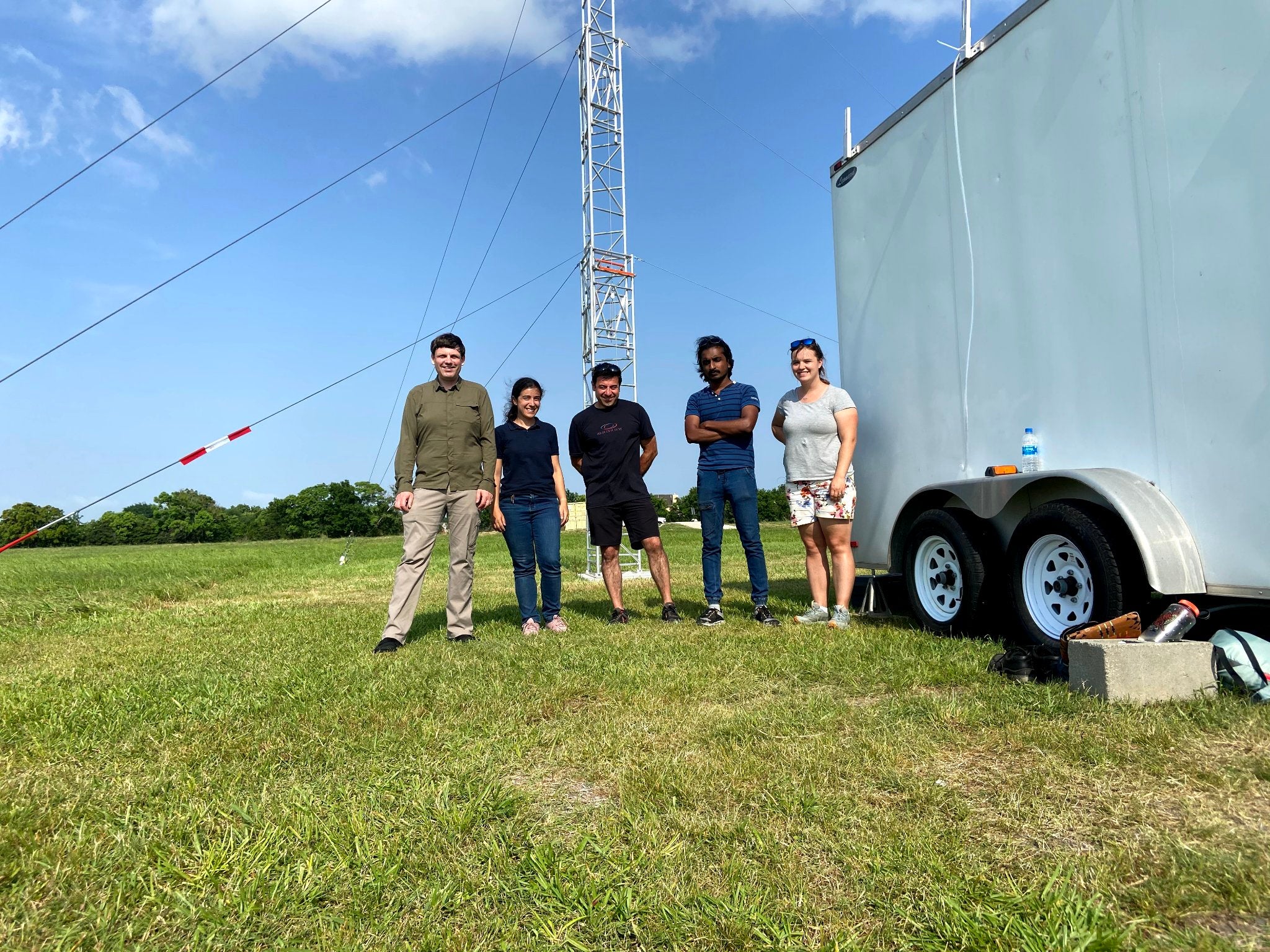
Aerosol Physics and Instrumentation
The Petters Aerosol Group studies particle physical and chemical properties, phase transitions, aerosol viscosity, ice nucleation, and cloud-relevant behavior through instrument development, laboratory research, and field campaigns.
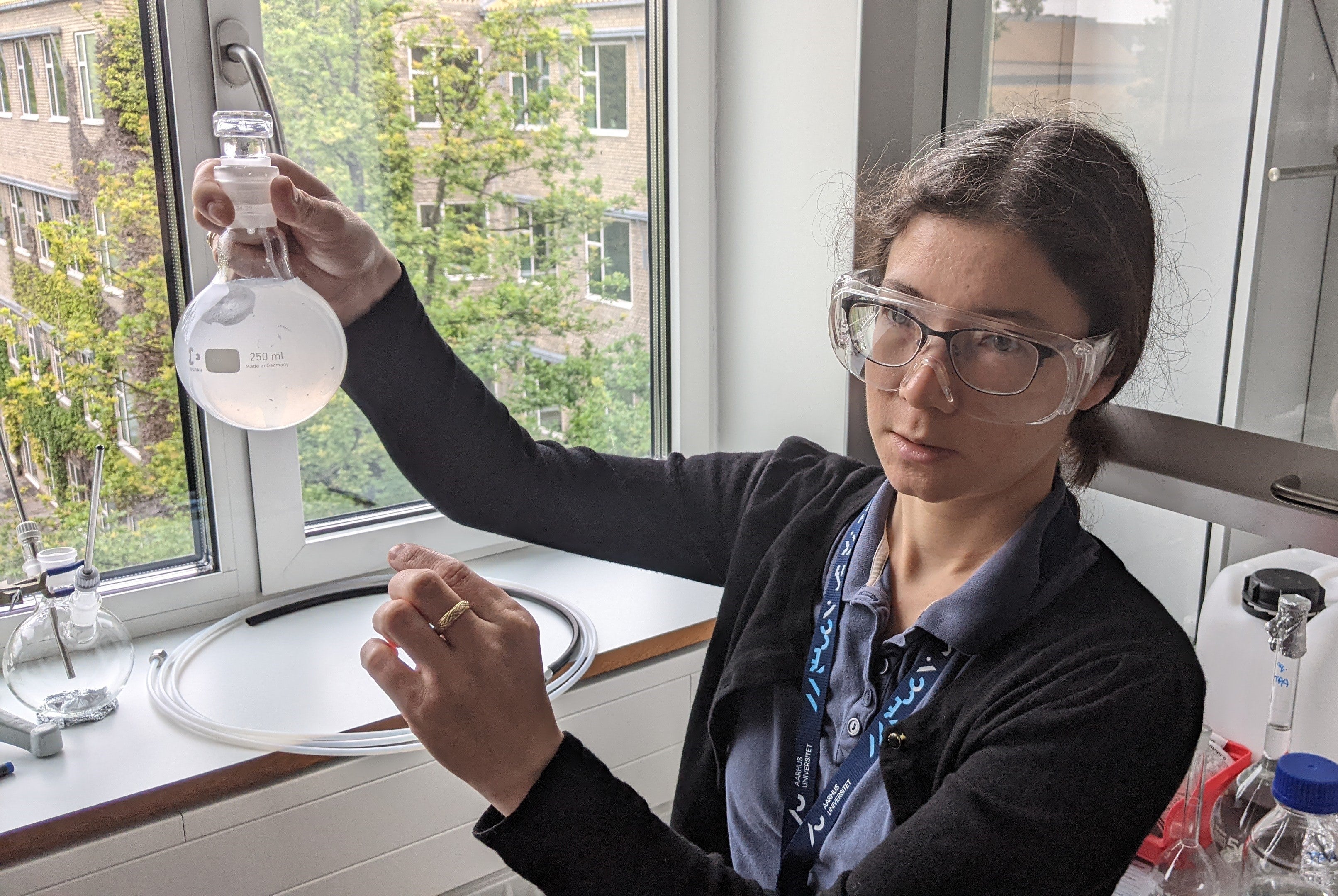
Atmospheric Nanophysical Chemistry
The Atmospheric Nanophysical Chemistry Group studies how particles and droplets exchange material with surrounding gases, with research spanning aerosol-water interactions, multiphase chemistry, ultrafine particle growth, and autonomous observations.
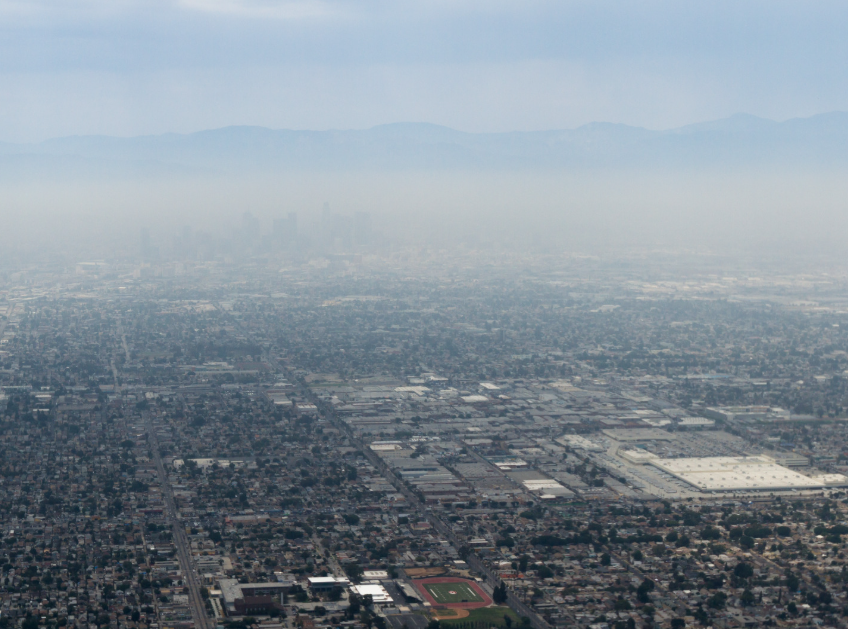
Air Quality, Climate and Equity Research Program
ACE combines community air quality monitoring, air toxics exposure research, mobile mapping, source analysis, environmental policy, and community engagement to support informed and equitable decision-making.
Connect With a Research Group
Contact CE-CERT to discuss collaboration, facilities, student opportunities, or the group best aligned with your area of interest.