Air Quality, Climate and Equity Research Program
The Air Quality, Climate, and Equity (ACE) Research Program works at the intersection of community air quality, emissions research, cumulative/human exposures, and community engagement to address the disproportionate air pollution burdens faced by underserved communities.
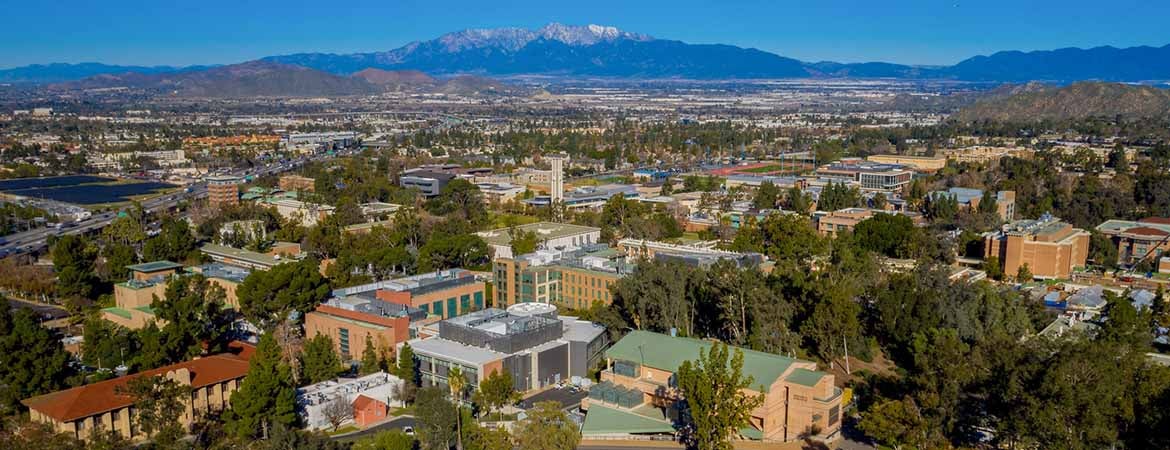
Community partnership is central to the work
ACE partners directly with community-based organizations, local governments, and regulatory agencies to ensure that research questions and monitoring priorities reflect community concerns, and that findings are communicated in ways that support informed decision-making. By linking comprehensive air quality measurements and data analysis with policy engagement and community partnership, ACE aims to advance both the science of air quality and climate, and equitable outcomes for the communities most affected by pollution. The ACE Research Team works closely with community organizations to build local capacity, communicate project findings and results to the public, and incorporate community feedback in the design and implementation of the projects.
ACE Focus Areas
Select a focus area to reveal its overview, methods, and ongoing or recently completed projects.
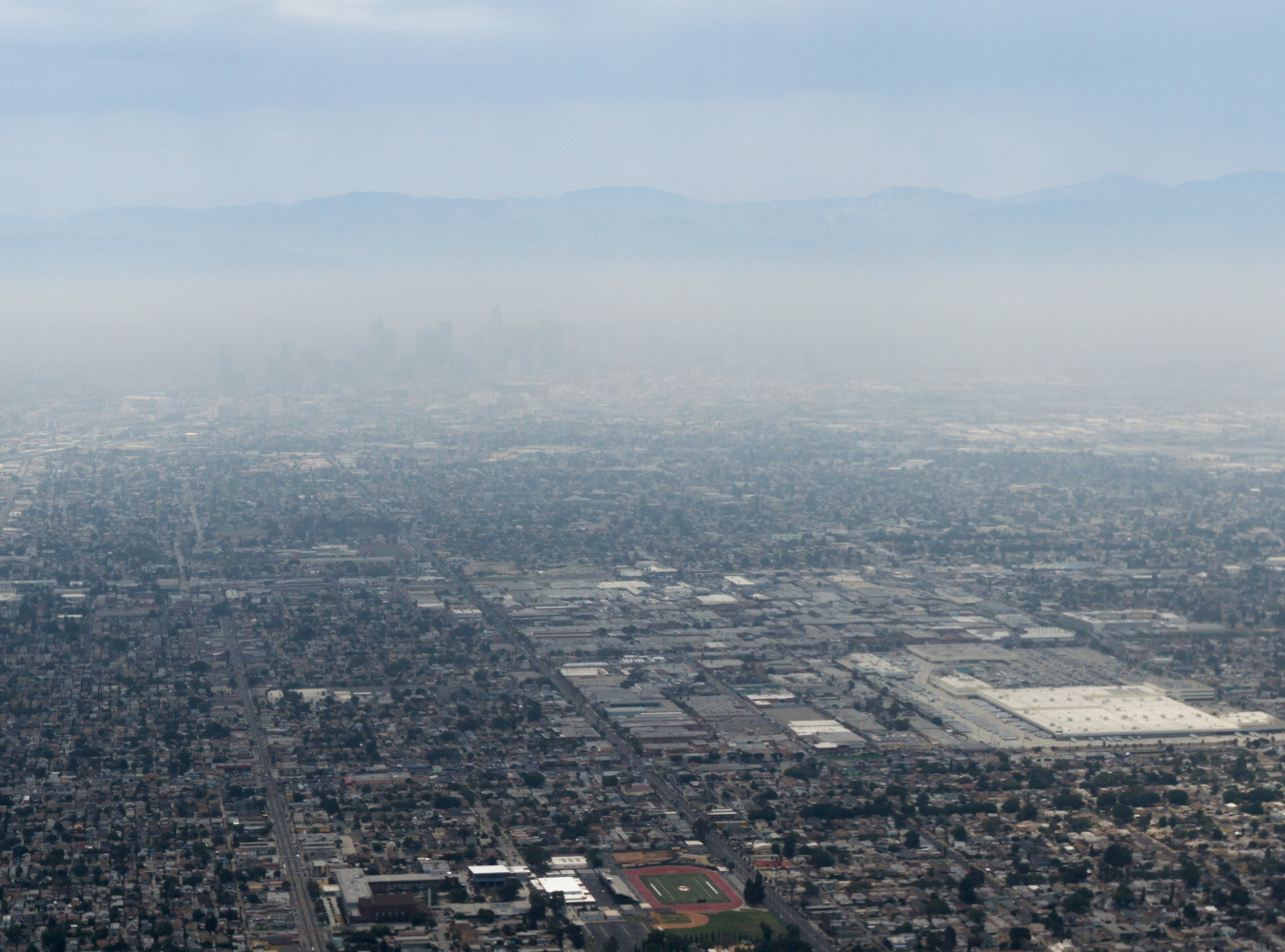 Focus Area 01 Community Air Quality and Air Toxics Exposure Research
CE-CERT researchers have collaborated with several community-based organizations to conduct community air quality monitoring and air toxics exposure studies. These projects have designed and implemented comprehensive air monitoring networks to measure criteria air pollutants and air toxics, and the data are used to understand community exposure to air pollutants, inform the public, and improve public health outcomes.
Some project examples include:
- Deployment of a distributed air quality monitoring sensor network to provide real-time monitoring of air pollution levels, including measurement of particulate matter (PM), total volatile organic compounds (tVOC), carbon monoxide (CO), nitrogen oxides (NO, NO2), ozone (O3), and black carbon (surrogate for diesel PM).
- Air toxics monitoring using state-of-the-art real-time analyzers, offline sampling, and laboratory analyses to study the levels of toxic air contaminants (metals, volatile organic compounds) that impact the community, allowing for a more detailed understanding of specific pollutants.
- Exposure assessment to estimate the cumulative health risks from all measured air toxics.
- Source apportionment to document the emission contributions of the various sources affecting the community.
- Youth Education to provide monitoring training as well as technical education on data collection, analysis, and visualization.
- Community Engagement including workshops, roadshows, and engagement events to raise awareness, solicit community feedback, and communicate study findings
Ongoing and Recently Completed Projects
Del Amo Community Air Pollution, Noise, Vibration, and Truck Traffic Monitoring Study
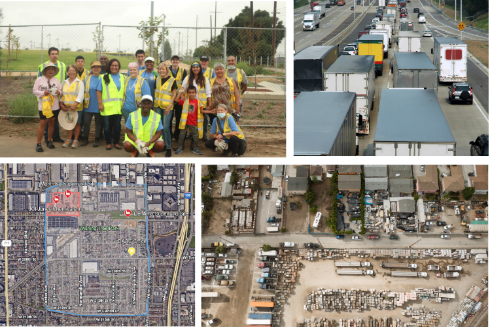
This project represents a community‑led air‑quality monitoring effort in Del Amo, California, designed to address long‑standing environmental health concerns in a neighborhood surrounded by major industrial facilities, freight corridors, and two federal Superfund sites. Led by the Del Amo Action Committee (DAAC) and supported by a 2022 California Air Resources Board AB 617 Community Air Grant, the study combined one year of air‑toxics monitoring with community education, training, capacity building, and collaboration among residents, scientists, and regulatory partners. Additionally, this project included a formal advisory collaboration of stakeholders and decision-makers. This project stems from the Del Amo Action Committee and its efforts focusing on toxic waste issues plaguing the community, especially environmental health, alternative remediation technologies for toxic waste sites, regulatory agency compliance with public health mandates, and land use.
The primary objective of this project was to conduct a comprehensive air toxics study, with a specific focus on measuring air pollution levels in the community, documenting the emission contributions of the various sources affecting the community, and estimating the cumulative health risks from all measured air toxics. From February 2025 to February 2026, PM₂.₅, toxic metals, and volatile organic compounds (VOCs) were measured at multiple locations throughout Del Amo to address the project objectives.
Community-Led Efforts to Raise Awareness, Engagement, and Capacity Building on Air Pollution Issues in East Oakland, California
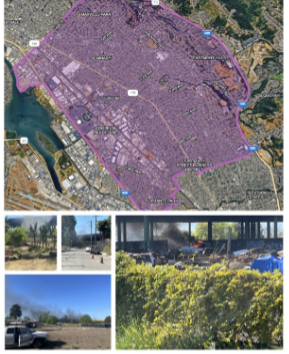
This work was a community-led air quality monitoring effort within East Oakland, California headed by Lifers Leaving a Legacy. The primary objectives of this project were to conduct a community-led survey-level air study, with specific focus on identifying pollution hot spots; documenting contributions from sources such as traffic burning and illegal waste and disposal site activity; addressing the issues affecting the community; and implementing cleanup and abatement in these neighborhoods.
The project team established a network of sensors at five community locations, located within busy areas close to traffic and residences. Sensors were sited to capture representative outdoor air. The network measured PM2.5 and volatile organic compounds (VOC) at each location and wind data at one location. Lifers staff were trained on how to collect the passive VOC samples, which were subsequently lab analyzed via method TO-17.
Air Toxics Monitoring in Madison Park and Surrounding Neighborhoods in the City of Santa Ana
This work was a community-led air quality monitoring effort within Madison Park and surrounding neighborhoods in Santa Ana, California. The primary objective of this project was to conduct a comprehensive air toxics study, with a specific focus on measuring air pollution levels in the community, documenting the emission contributions of the various sources affecting the community, and estimating the cumulative health risks from all measured air toxics. The project stems from GREEN (Getting Residents Engaged in Empowering Neighborhoods) - MPNA (Madison Park Neighborhood Association) work that has been ongoing in southeast Santa Ana since the 1980s; in 2017 there was a turn to environmental justice (EJ), prompted by the permitting of a new metals plating facility in the neighborhood.
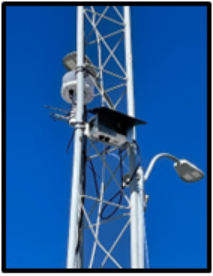
The project team established a network of sensors at five schools, located within busy residential areas and close to traffic and industrial activity. Sensors were placed on school rooftops or elevated structures to capture representative outdoor air. The network measured PM2.5 and wind at all five schools. Century High School served as the main “supersite,” where more-advanced equipment also measured metals, volatile organic compounds (VOCs), and total VOCs (tVOCs). With support from project partners, trained community members installed the sensor network and collected the toxic metals and VOC samples every 6 days throughout the 1-year study.
 Focus Area 02 Mobile Air Pollution Monitoring and Mapping
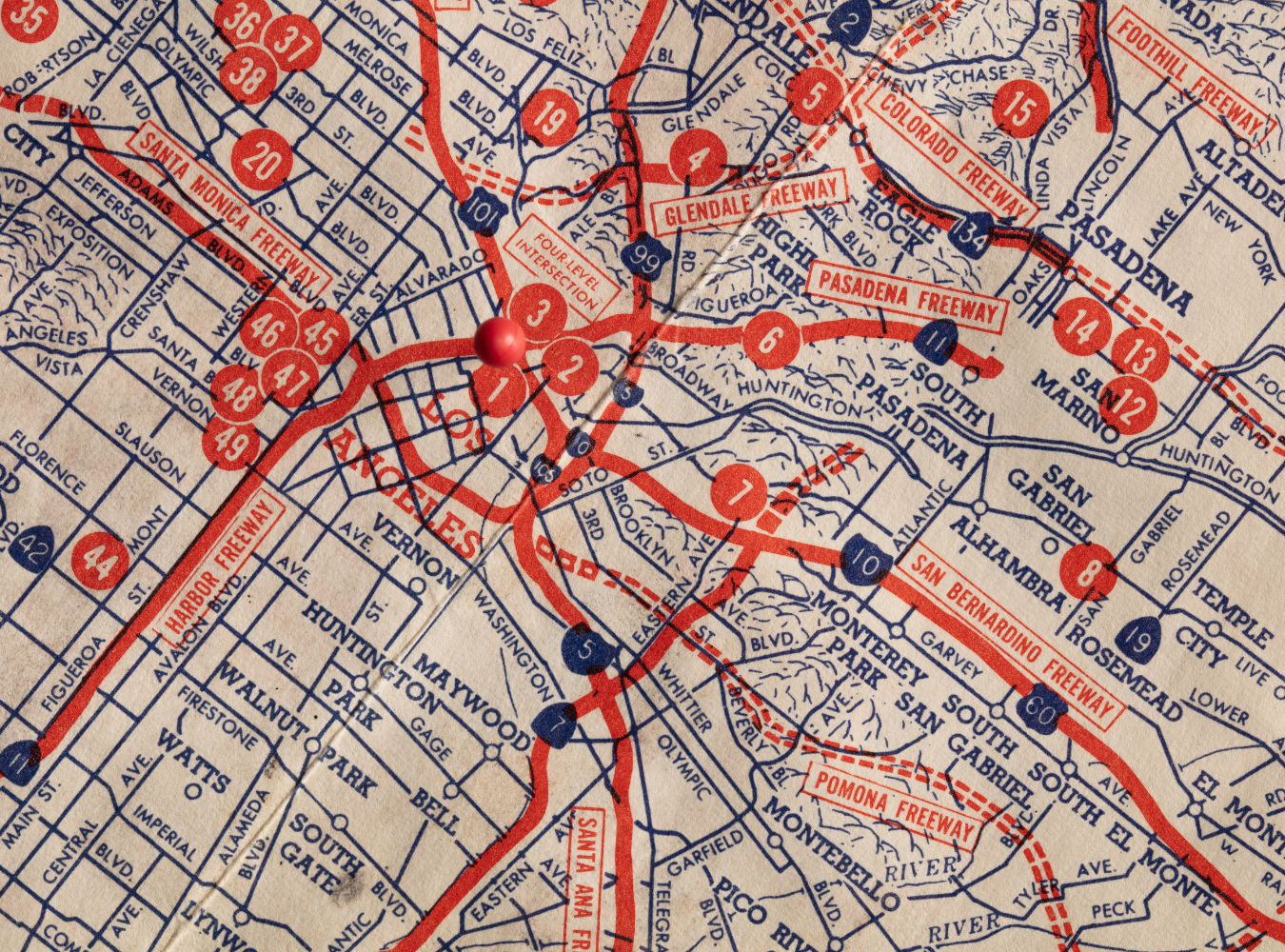
CE-CERT deploys advanced research-grade mobile monitoring platforms to conduct neighborhood-scale air pollution and air toxics monitoring and mapping in communities. The platforms are fitted with state-of-the-art air quality measurement systems, such as Proton Transfer Reaction Time-of-Flight Mass Spectrometry (PTR-ToF-MS) analyzers and regulatory-grade particulate matter analyzers, that can provide fast response and real-time monitoring of individual pollutant species at trace levels. The platforms are driven on selected community routes over multiple measurement campaigns, and the data are mapped using advanced statistical techniques for air quality and climate change research, monitoring, and educational purposes.
Ongoing and Recently Completed Projects
Community-Scale Mobile Air Quality Mapping in New Jersey Communities
Researchers from CE-CERT are collaborating with K2 Environmental and Carnegie Mellon University to conduct a Mobile Air Quality Mapping study for the New Jersey Department of Environmental Protection (NJDEP).
The research team is conducting neighborhood-scale mapping of air toxics, criteria air pollutants, and greenhouse gases in four New Jersey communities over two years. Air pollution mapping surveys are being conducted using a research-grade mobile monitoring platform operated by Carnegie Mellon University, which is fitted with research- and regulatory-grade measurement systems for the highest-quality data collection.
The project will study air pollution patterns in the community, help identify and prioritize high pollution zones for future monitoring, and complement ongoing air quality monitoring by NJDEP.
- Website link: https://dep.nj.gov/airmon/mobile-air-monitoring-project/
 Focus Area 03 Indoor Air Quality Monitoring and Exposure Mitigation
  Focus Area 04 Emissions Measurements and Source Apportionment
  Focus Area 05 Greenhouse Gas Emissions and Odor Research
  Focus Area 07 Education and Outreach
Air Quality & Climate Training (ACT) Program
CE-CERT’s Air Quality and Climate Training (ACT) Program offers accessible, online professional development courses for people seeking to better understand and address today’s air quality and climate issues.
Courses are taught by UCR faculty and research leaders and combine technical insight with real-world application. Topics introduce participants to the fundamentals of air quality, energy, sustainability, emissions, transportation, and atmospheric chemistry.
The program uses a flexible online format with interactive learning, and participants who complete course requirements can earn a Certificate of Completion and Continuing Education Units through UCR Extension.
Connect with the ACE Research Program
Contact CE-CERT to learn more about ACE research, discuss collaboration opportunities or connect with the research group.